

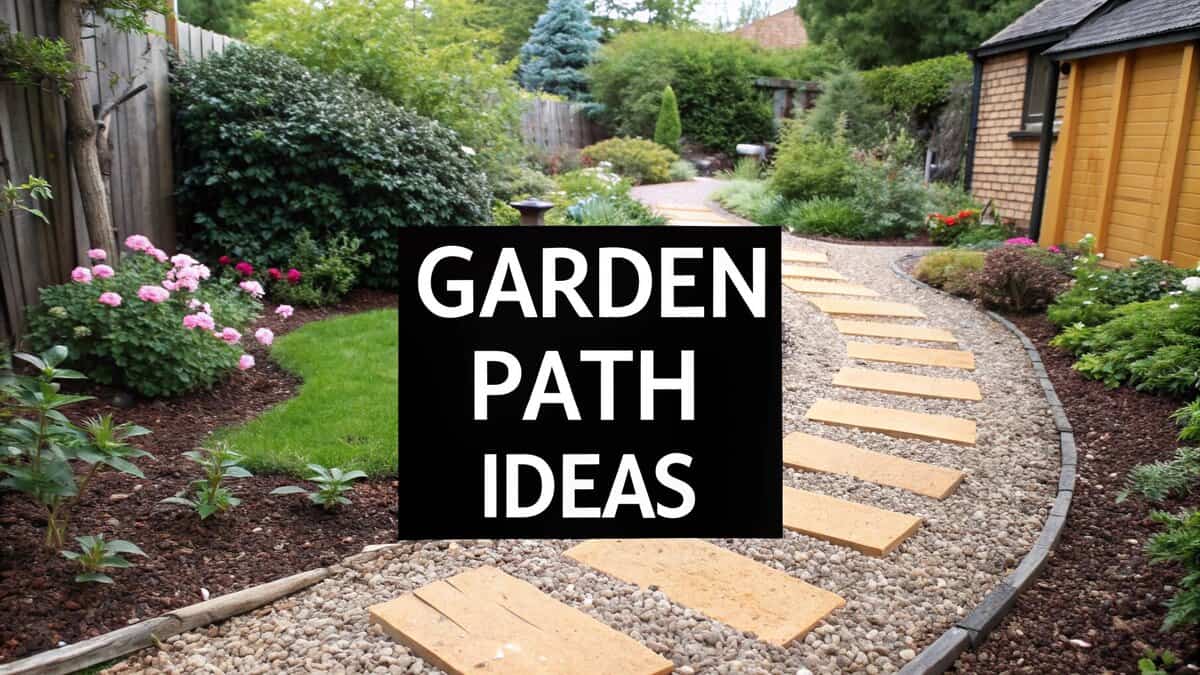
A well-designed garden path does more than just guide your footsteps; it defines your outdoor space, adds character, and creates a journey through your personal green oasis. For homeowners in Stoke-on-Trent, creating a beautiful and functional path doesn’t have to be a costly endeavour. The key is choosing the right materials and design to suit our local climate and soil types, ensuring your walkway remains durable and attractive through the Staffordshire seasons.
Whether you’re dreaming of a rustic, meandering trail or a more structured walkway, there are plenty of affordable options. This guide will walk you through eight creative and practical garden path ideas on a budget, complete with DIY tips and advice tailored for UK gardens. We’ll show you how to source materials, prepare the ground, and achieve a professional-looking finish. For those looking for hands-on, cost-effective ways to enhance their garden, you’ll find great tips in this guide on DIY alfresco renovation ideas on a budget.
“Kathryn from Stoke Gardening Services helped us design the perfect little path for our cottage garden. She had so many wonderful, affordable ideas that we’d never have thought of ourselves. It has completely transformed the space!” – Sarah, Trentham.
Let’s start building the garden of your dreams, one step at a time.
For quotes and bookings, call or email us here.
1. Mulch and Wood Chip Paths
For a truly natural, informal look that is gentle on your wallet, a mulch or wood chip path is an excellent choice. This method uses organic materials like shredded bark or wood chips to create a soft, earthy walkway. It’s one of the most effective garden path ideas on a budget, blending seamlessly into woodland, cottage, and naturalistic garden styles popular across Stoke-on-Trent.
The primary benefit is its simplicity and low cost. As the organic material slowly decomposes, it enriches the underlying soil with valuable nutrients, essentially feeding your garden as you walk on it. This makes it a favourite in permaculture designs and community gardens that prioritise sustainability. The soft surface is also comfortable underfoot and quiets footsteps, adding to the peaceful atmosphere of your outdoor space.
Getting Started with a Mulch Path
Creating your own wood chip path is a straightforward weekend project. Follow these steps for a durable and attractive result:
- Source Your Materials: A major cost-saving advantage is the availability of free materials. Contact local arborists or tree services in the Stoke area. They often have an abundance of wood chips from tree removal jobs and are happy to deliver them for free or a small fee to avoid disposal costs.
- Prepare the Ground: Mark out your path’s shape and clear it of turf and weeds. To prevent regrowth, lay down a layer of cardboard or landscape fabric. This weed barrier is crucial for long-term, low-maintenance enjoyment.
- Add Edging: Install a simple border using reclaimed bricks, stones, or flexible metal edging. This contains the mulch, giving the path a tidy, defined look and preventing it from spilling into your garden beds.
- Lay the Mulch: Spread a layer of wood chips or bark 7-10 cm deep. Rake it level to create an even walking surface. The path will settle over time, so you may need to top it up.
Top Tip: For the most comfortable walking path, opt for a finer, double-shredded mulch rather than large, chunky bark nuggets. It creates a smoother, more stable surface.
While highly effective for informal gardens, this path does require annual top-ups as the material decomposes. For a deeper understanding of how to use this material effectively throughout your garden, you can explore our detailed guide for more tips on mulching.
2. Gravel and Pea Gravel Paths
For a classic, versatile look that remains a firm favourite, a gravel or pea gravel path offers timeless charm and practicality. This method uses loose stones like crushed rock or smooth pea gravel to create a neat, textured walkway. It is one of the most adaptable garden path ideas on a budget, fitting effortlessly into formal, cottage, and contemporary garden designs seen throughout Stoke-on-Trent.
The main advantages are its excellent drainage and the satisfying crunch it makes underfoot, which can also act as a subtle security feature. Gravel paths are perfect for creating clean lines in a modern garden or winding, informal routes in a cottage-style landscape. Their light colour can brighten shady areas and provide a beautiful contrast against lush green planting, making them a superb choice for a variety of outdoor spaces.
Getting Started with a Gravel Path
Building a durable and tidy gravel path is an achievable project for any keen gardener. Follow these steps for a professional-looking finish:
- Define the Path: Mark out your desired path shape using rope or spray paint. Excavate the area to a depth of about 10-12 cm, removing all turf and weeds to create a solid foundation.
- Install a Solid Base: For stability, lay and compact a sub-base of crushed stone or MOT Type 1. This prevents the path from becoming uneven over time. A layer of landscape fabric on top will suppress weed growth effectively.
- Secure the Edging: Install sturdy edging made from metal, brick, or pressure-treated timber. A strong border is essential to contain the loose gravel and stop it from spreading into your lawns and flowerbeds.
- Spread the Gravel: Add your chosen gravel to a depth of about 5 cm. Rake it level to ensure an even, comfortable walking surface.
Top Tip: For main walkways, choose an angular crushed stone (10-20mm) over rounded pea gravel. The angular pieces lock together, creating a more stable and less “sloshy” surface to walk on.
While very low-maintenance, a gravel path may need occasional raking to keep it level and a top-up every few years. If you need help preparing the ground or sourcing the right materials, the team at Stoke Gardening Services can provide expert installation.
3. Stepping Stone Paths with Ground Cover
For a path that feels truly integrated with your garden, combining stepping stones with living ground cover is a beautiful and artistic solution. This method involves setting individual stones or pavers into the soil and planting low-growing, resilient plants in the gaps. It’s one of the most creative garden path ideas on a budget, perfect for cottage, woodland, and contemporary Japanese-inspired gardens across Stoke-on-Trent.
This approach softens the hard lines of a traditional path, creating a walkway that is part of the living landscape. It minimises the quantity of expensive hardscaping materials needed while adding texture, colour, and even fragrance to your garden journey. The ground cover also helps suppress weeds, making it a functional and visually stunning choice that enhances biodiversity.

Getting Started with a Stepping Stone Path
Creating this type of path is a rewarding project that combines basic hardscaping with a touch of planting. Follow these steps for a charming and durable walkway:
- Source Your Stones: Keep costs low by looking for salvaged or second-hand materials. Reclaimed paving slabs, large flat-topped rocks from local reclamation yards, or even custom-made concrete pavers can be used effectively.
- Prepare the Ground: Lay out your stones along the desired route, ensuring they are spaced for a comfortable stride (typically 30-45 cm apart centre-to-centre). Cut out the turf beneath each stone, digging down deep enough for the stone plus a small layer of sand for levelling.
- Set the Stones: Place each stone into its recess, ensuring it sits slightly above the soil level to prevent it from being overgrown. Use a rubber mallet to tap it firmly into place and check that it is level and stable.
- Plant the Gaps: Fill the spaces between the stones with good quality topsoil and plant your chosen ground cover. Creeping thyme is a wonderful choice as it releases a lovely scent when walked on. Water well to help the plants establish.
Top Tip: Choose ground cover plants suited to your garden’s light conditions. For sunny spots in Stoke, creeping thyme or sedum are ideal, while moss or mind-your-own-business (Soleirolia soleirolii) thrive in shadier, damp areas.
This path style requires the ground cover to establish, which can take a few weeks. For more inspiration on what to plant, explore our guide to the best ground cover plants for UK gardens.
4. Recycled Brick and Pallet Paths
For a path brimming with character and history, reclaimed materials offer an unbeatable solution. Using salvaged bricks, old concrete pavers, or even repurposed wood from pallets creates a walkway with a unique story. This is one of the most sustainable garden path ideas on a budget, perfect for farmhouse, cottage, and Victorian-style gardens across Stoke-on-Trent, where historical charm is often celebrated.

The main advantage is its eco-friendly nature and the distinctive aesthetic it provides. Each imperfection, colour variation, and worn edge adds a layer of authenticity that new materials cannot replicate. By diverting materials from landfills, you not only save money but also contribute to a circular economy, a core principle in many modern sustainable garden designs.
Getting Started with a Reclaimed Path
Building a path from salvaged materials is a rewarding project that adds instant character. Follow these steps for a beautiful and stable result:
- Source Your Materials: Finding reclaimed materials is part of the fun. Check online marketplaces, local demolition sites in the Stoke area, or reclamation yards. Often, people are happy for you to take old bricks or pavers away, saving them removal hassle.
- Prepare the Ground: Mark out your path and clear away all turf and weeds. For a long-lasting, low-maintenance path, lay down a weed-suppressing membrane. This simple step prevents weeds from growing through the gaps later on.
- Create a Stable Base: Excavate the path area to a depth of about 10-15 cm. Add a layer of MOT Type 1 sub-base, compact it firmly, and then top it with a layer of sharp sand. This foundation is vital for preventing the bricks or pavers from shifting.
- Lay Your Materials: Place your bricks or pavers onto the sand bed, tapping them into place with a rubber mallet. You can create classic patterns like herringbone or a simple running bond. Fill the gaps with sand or a dry mortar mix to lock everything in place.
Top Tip: Before laying, give reclaimed bricks a good scrub with a stiff brush and water to remove any old mortar and dirt. This ensures they sit flat and provides a cleaner, more professional finish.
A reclaimed brick path is a permanent feature that adds value and timeless appeal. For more inspiration on using reclaimed materials, explore our guide to backyard landscaping on a budget.
5. Grass and Mown Pathways
For the ultimate in low-cost, integrated design, a simple mown grass path is a surprisingly elegant solution. This method requires no materials other than the lawn you already have, using strategic mowing to create clear, inviting walkways. It is one of the most natural garden path ideas on a budget, ideal for Stoke-on-Trent homeowners with larger lawns, meadow gardens, or informal, naturalistic landscapes where a hardscaped path would feel out of place.

The main advantage of a grass path is its seamless integration into the existing garden. It provides a soft, organic feel that guides visitors without interrupting the visual flow of the landscape. This approach works beautifully in English-style wildflower meadows, creating a romantic walkway through the blooms, or as a practical access corridor in a permaculture design. The only real cost is the time and fuel for mowing.
Getting Started with a Mown Path
Creating a defined grass path is all about consistent maintenance and thoughtful layout. Use these steps to achieve a polished look:
- Design Your Route: Plan your path’s route with a garden hose or rope, creating gentle, sweeping curves that feel natural to walk. Avoid sharp, awkward angles.
- Mow Consistently: Set your mower to a lower setting for the pathway and a higher setting for the surrounding areas. Mow the path regularly to keep the grass short, dense, and distinct from the taller adjacent grass or wildflowers.
- Define the Edges: For a crisper look, use a spade or half-moon edger to cut a clean line between the path and your garden beds. This small detail makes a significant difference, preventing grass from creeping into planted areas.
- Ensure Good Drainage: In damp parts of your Stoke garden, a grass path can become muddy. To prevent this, ensure the path is slightly crowned, or raised in the middle, to allow water to run off.
Top Tip: Overseed your pathway annually with a hard-wearing grass seed mix. This helps it withstand foot traffic and maintain a dense, green appearance throughout the seasons.
While this path is virtually free, it does require consistent upkeep to look its best. For professional results and perfectly manicured lines, you can learn more about our expert lawn mowing services in Stoke-on-Trent.
6. Straw and Hay Mulch Paths
For a highly affordable and temporary solution, particularly in productive areas of your garden, a straw or hay path offers a rustic and practical walkway. This method uses bales of straw or hay to create an instant, soft surface that is perfect for vegetable patches, kitchen gardens, or seasonal routes. It stands out as one of the most effective short-term garden path ideas on a budget, bringing a charming, agricultural feel to any working garden in Stoke-on-Trent.
The main advantage of this path is its dual-purpose nature. As the straw breaks down, it suppresses weeds and adds a rich layer of organic matter directly to your soil, improving its structure and fertility for the next growing season. This makes it an ideal choice for permaculture designs and allotment gardeners who value soil health above all. The soft, cushioned surface is also pleasant to walk on and helps retain moisture in the ground beneath it.
Getting Started with a Straw Path
Laying down a straw path is a quick and simple task that can be completed in under an hour. Here’s how to create an effective and tidy walkway:
- Source Your Materials: Contact local farms or agricultural suppliers around Staffordshire for straw bales. It is crucial to choose straw over hay, as straw is the leftover stalk from grain harvests and contains very few seeds. Hay, on the other hand, is full of grass and weed seeds that you don’t want sprouting in your garden.
- Prepare the Ground: Clearly define the path’s route. While you can lay straw directly on the ground, placing a layer of cardboard down first will offer superior weed suppression and a cleaner base.
- Add Edging: Simple edging made from logs, reclaimed timber planks, or even mounded soil will keep the loose straw contained. This prevents it from blowing into your beds and maintains a neat appearance.
- Lay the Straw: Break up the bale and spread the straw generously along the path, aiming for a depth of 10-15 cm. This creates adequate cushioning and ensures a solid layer for weed control. The material will compress with use.
Top Tip: Replenish your straw path every month or so during the peak growing season. As it decomposes and gets trodden down, a fresh layer will keep it looking good and functioning effectively.
While this path is brilliant for temporary or seasonal use, it requires regular maintenance. If you need a more permanent, low-maintenance solution or require help clearing a garden space to get started, our team at Stoke Gardening Services is ready to assist.
7. Recycled Concrete and Asphalt Paths
For an incredibly durable and eco-conscious option, a recycled concrete or asphalt path offers a unique, industrial-chic aesthetic. This method involves repurposing broken pieces of concrete or reclaimed asphalt to create a hard-wearing, stable walkway. It is a fantastic choice for those looking for garden path ideas on a budget, turning construction waste into a functional and stylish garden feature.
The main advantage is its exceptional durability and minimal cost. By sourcing materials destined for landfill, you create a robust surface ideal for high-traffic areas like routes to sheds or vegetable patches. This sustainable approach is popular in urban gardens and community projects across Stoke-on-Trent, where circular economy principles are highly valued. While considering recycled concrete for your path, you might also be interested in other uses of this versatile material for outdoor spaces, such as exploring different concrete patio ideas.
Getting Started with a Recycled Concrete Path
Building a path from reclaimed materials is a rewarding project that champions sustainability. Follow these steps for a long-lasting result:
- Source Your Materials: Contact local construction demolition sites or recycling centres in the Staffordshire area. They may offer broken concrete (often called urbanite) or asphalt for free or a very low price to save on disposal fees.
- Prepare the Ground: Mark out your path and excavate the area to a depth of about 10-15 cm. Ensure the base is level and compact. A layer of compacted gravel or hardcore will provide essential stability and drainage.
- Handle with Care: Always wear heavy-duty gloves, safety glasses, and sturdy boots when handling broken concrete, as the edges can be very sharp.
- Lay the Pieces: Arrange the concrete or asphalt pieces like a mosaic or crazy paving, leaving small gaps between them. Use a rubber mallet to gently tap them into place, ensuring a relatively flat and stable walking surface.
Top Tip: For a more polished look, fill the gaps between the pieces with gravel, sand, or a creeping ground cover plant like thyme. This softens the industrial feel and helps lock the pavers in place.
This path is extremely low-maintenance and built to last for decades. Its rugged character makes it perfect for utility areas or as a bold statement in a modern garden design.
8. Cardboard and Newspaper Paths with Organic Cover
For the ultimate in frugal and sustainable garden design, a path made from layered cardboard or newspaper covered with organic material is a revolutionary choice. This method, often called “sheet mulching,” creates a functional walkway that actively suppresses weeds and enriches your soil as it breaks down. It is one of the most resourceful garden path ideas on a budget, perfect for new garden installations, permaculture designs, or community plots in Stoke-on-Trent where flexibility is key.
The core benefit is its dual-purpose nature and near-zero cost. The cardboard layer blocks sunlight, effectively killing the grass and weeds underneath without any digging or chemicals. As the cardboard and its organic covering decompose, they add rich organic matter to the soil, improving its structure and fertility. This temporary or semi-permanent solution is ideal for mapping out paths in a developing garden before committing to a more permanent material.
Getting Started with a Sheet Mulch Path
Creating this eco-friendly path is incredibly simple and can be done in an afternoon with materials you likely already have. Follow these steps for an effective walkway:
- Source Your Materials: This is the easiest part. Collect large cardboard boxes (removing all plastic tape and staples) or thick stacks of newspaper. Your organic top layer can be wood chips, straw, shredded leaves, or even unfinished compost.
- Prepare the Ground: Simply mow the grass on your intended path as short as possible. There is no need for digging. For very bumpy ground, a quick rake to level the area is helpful.
- Lay the Base: Place your cardboard or newspaper directly onto the ground. Overlap the edges by at least 15-20 cm to ensure no gaps are left for stubborn weeds to push through. Wet the layer thoroughly with a hose to help it mould to the ground and stay in place.
- Add the Cover: Spread a 7-10 cm layer of your chosen organic material (wood chips, straw, etc.) evenly over the cardboard. This top layer provides a durable walking surface, looks attractive, and aids the decomposition process.
Top Tip: Using cardboard from large appliance boxes is ideal as it provides wide, seamless coverage, minimising the chance of weed breakthrough at the seams.
This path type will need its organic cover topped up every season as it settles and decomposes. It’s a fantastic way to build healthy soil, and you can learn more about how these materials contribute to your garden’s ecosystem by reading our guide on how to start a compost pile.
8 Budget-Friendly Garden Path Options Compared
| Path Type | ✅ Pros | ❌ Cons | 💡 Best For |
|---|---|---|---|
| Mulch and Wood Chip Paths | Very low cost, improves soil, natural look, easy to install | Needs yearly top-ups, can be messy without edging | Woodland and informal cottage gardens in Stoke. |
| Gravel and Pea Gravel Paths | Good drainage, classic look, audible security feature | Can spread into beds, needs a solid base and edging | Formal, cottage, and contemporary gardens. Great for damp areas. |
| Stepping Stone Paths | Highly aesthetic, permeable, combines hardscape and planting | Can be uneven, ground cover needs time to establish | Creating artistic, gentle walkways through planted areas. |
| Recycled Brick and Pallet Paths | Sustainable, unique character, very durable if laid properly | Sourcing can be time-consuming, installation is labour-intensive | Rustic, cottage, and eco-friendly gardens celebrating local history. |
| Grass and Mown Pathways | Virtually free, blends seamlessly, soft underfoot | Requires regular mowing and edging, can get muddy in wet weather | Large lawns, wildflower meadows, and naturalistic garden designs. |
| Straw and Hay Mulch Paths | Extremely cheap, improves soil, excellent weed suppressant | Temporary (seasonal), needs frequent top-ups, can be messy | Vegetable patches, allotments, and temporary garden layouts. |
| Recycled Concrete Paths | Very durable, low cost, eco-friendly reuse of materials | Heavy to handle, can have sharp edges, industrial aesthetic | High-traffic utility paths, modern or industrial-style gardens. |
| Cardboard & Organic Cover | Almost free, builds soil health, no digging required | Short-term solution, needs seasonal refreshing | New gardens, suppressing weeds, or creating temporary paths. |
Ready to Build Your Perfect Path? Let Us Help!
We hope our journey through these diverse garden path ideas on a budget has left you feeling inspired and ready to transform your outdoor space. As we’ve explored, creating a functional and beautiful walkway doesn’t require a significant investment. From the rustic simplicity of a mulch path to the charming character of reclaimed bricks, an affordable solution exists for every Stoke-on-Trent garden. The key takeaway is that with a little creativity and planning, you can craft a path that not only guides footsteps but also elevates your garden’s entire aesthetic.
The options we’ve covered, such as gravel, stepping stones, and even cleverly mown grass, prove that your garden’s potential is limited only by your imagination. Each material offers a unique texture, colour, and feel, allowing you to perfectly complement your existing landscape and planting schemes. Remember, a successful path is more than just a route from A to B; it’s an integral feature that can define garden zones, add visual interest, and invite exploration.
Turning Your Vision into Reality
Mastering these budget-friendly approaches empowers you to take control of your garden’s design. It allows you to make informed decisions about materials that suit the specific climate and soil conditions here in Stoke-on-Trent. Whether you are aiming for a low-maintenance solution or a design that adds a touch of cottage-garden charm, the right path is a powerful tool.
However, we understand that even a “simple” DIY project can feel daunting. Proper ground preparation is crucial for longevity, and sourcing the right materials can be time-consuming. If you’re looking for a professional finish that will stand the test of time, or if you simply need an expert hand to bring your ideas to life, Stoke Gardening Services is ready to assist. Kathryn leverages years of landscaping experience, including insights gained from her work in Germany, to deliver exceptional results.
We handle every step of the process, from initial design and ground levelling to the meticulous installation of your chosen path. Our expertise ensures your new walkway is not only beautiful but also durable and correctly laid to prevent future issues. We can even help prepare the area, offering services like garden clearance and small tree removal to make way for your project.
“Stoke Gardening Services installed a gravel path for us, and the quality of work was exceptional. They prepared the ground properly, and it has stayed perfectly in place. Professional, friendly, and highly recommended for any garden work in Stoke!” – David, Hanley.
A well-designed path is the backbone of a great garden, providing structure and flow that enhances your enjoyment of the space for years to come. It’s an investment in your home’s kerb appeal and your own daily pleasure. Let’s start laying the groundwork for your perfect garden today.
Our Garden Path Services For Stoke-on-Trent
Ready to create a stunning, durable path without the DIY hassle? Contact Stoke Gardening Services for a professional consultation and let us help you build the garden of your dreams. Contact us today for a quote!
For quotes and bookings, call or email us here.