
Welcome, fellow Stoke-on-Trent gardeners! Are you tired of watching aphids devour your prize-winning roses or seeing slugs demolish your carefully tended hostas? The constant battle against garden pests can feel overwhelming, but the solution doesn’t have to involve harsh chemicals that can harm our local ecosystem and pollinators.
In Stoke-on-Trent and the surrounding Staffordshire area, our unique climate and soil conditions present specific challenges. We often deal with damp-loving slugs that thrive in our wetter seasons and aphids that multiply during mild spells. This guide is tailored specifically for you, providing a comprehensive and actionable look at effective natural pest control methods that work in harmony with our local environment. We’ll explore ten powerful, eco-friendly strategies designed to protect your plants, attract beneficial wildlife, and help you cultivate a beautiful, resilient garden.
Whether you’re tending a small allotment in Hanley or maintaining a larger garden in Trentham, these techniques will empower you to manage pests safely and sustainably. At Stoke Gardening Services, we champion these methods and are here to help you implement them. Let’s get started on creating a healthier, pest-free garden right here in Stoke-on-Trent, together.
For quotes and bookings, call or email us here.
1. Beneficial Insects (Biological Control)
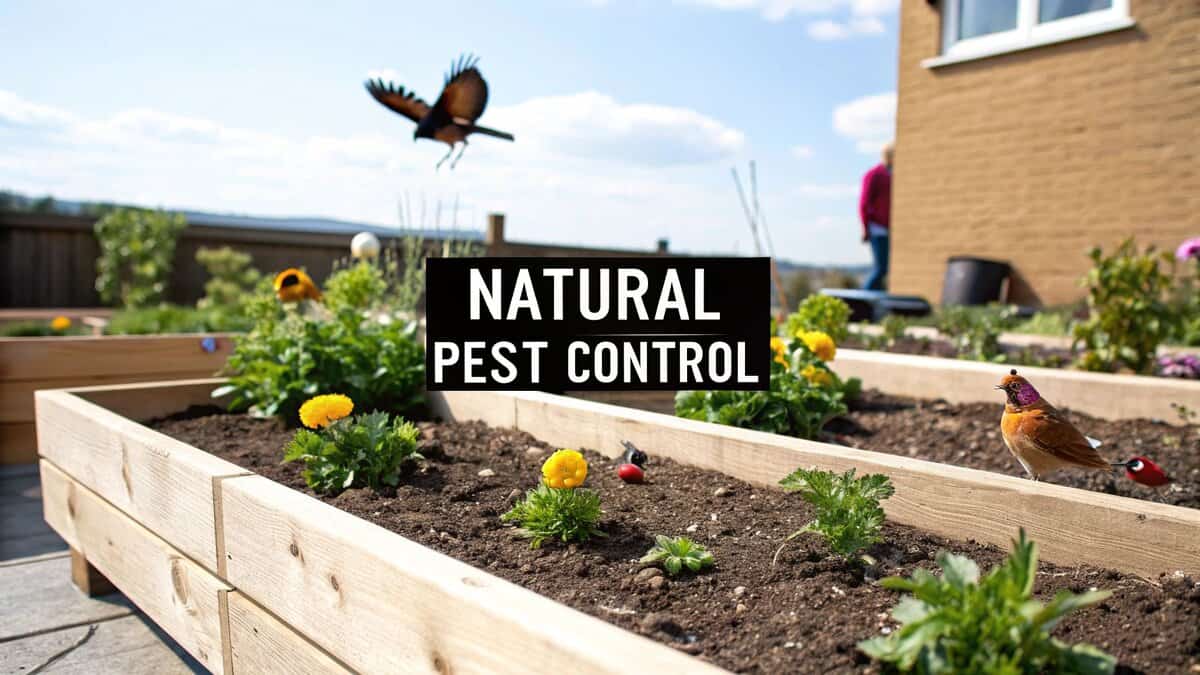
One of the most effective natural pest control methods is to turn your garden into a balanced ecosystem where nature does the work for you. This approach, known as biological control, involves encouraging beneficial insects that are the natural predators of common garden pests. Instead of reaching for a chemical spray, you can enlist a tiny army of helpers like ladybugs, lacewings, and hoverflies to protect your plants.

These insects are specialists. For instance, ladybugs are famous for their appetite for aphids, while lacewing larvae will devour mites, caterpillars, and other soft-bodied pests. By attracting these allies, you create a self-regulating system that keeps pest populations in check without harming your plants or the local Stoke-on-Trent environment.
How to Attract Your Garden Guardians
Making your garden inviting for these helpful critters is straightforward. Here are a few simple tips for our region:
- Plant Attractant Flowers: Grow plants with small flowers like dill, fennel, yarrow, and coriander. These thrive in Stoke gardens and their nectar provides a vital food source for adult beneficial insects.
- Provide Water: A shallow dish of water with pebbles for insects to land on will keep them hydrated and encourage them to stay, especially during warmer Staffordshire summers.
- Avoid Harsh Chemicals: Broad-spectrum pesticides will kill your beneficial allies along with the pests. Sticking to natural methods ensures your helpers can thrive.
This strategy is a cornerstone of sustainable gardening. For those in Stoke-on-Trent looking to create a resilient, low-maintenance garden, embracing biological control is a crucial first step. It is a key principle in creating a thriving ecosystem, a concept further explored in permaculture gardening.
2. Neem Oil
A staple in organic gardening, Neem oil is a powerful, plant-based solution derived from the seeds of the neem tree. This versatile oil acts as one of the most reliable natural pest control methods by disrupting the life cycle of pests. Its active compound, azadirachtin, interferes with insect hormones, making it difficult for them to feed, moult, and reproduce, effectively stopping infestations from growing.
Unlike harsh chemical sprays, neem oil is biodegradable and non-toxic to birds, pets, and beneficial insects like bees and ladybugs when used correctly. It is effective against a wide range of pests common in Stoke-on-Trent gardens, including aphids, spider mites, whiteflies, and even fungal diseases like powdery mildew and black spot. This makes it an essential tool for protecting everything from roses to vegetable patches.
How to Use Neem Oil Effectively
Proper application is key to getting the best results from neem oil. Here are a few practical tips:
- Mix It Correctly: Neem oil doesn’t mix well with water on its own. Combine 1-2 teaspoons of neem oil with half a teaspoon of mild liquid soap (as an emulsifier) per litre of water.
- Time Your Application: Spray your plants in the early morning or late evening. This prevents the sun from burning the leaves and gives the oil time to work before it degrades in UV light.
- Be Thorough: Pests often hide on the undersides of leaves. Ensure you spray all surfaces of the plant, including stems and both sides of the foliage, for complete coverage.
- Test a Small Area: Before spraying an entire plant, apply your mixture to a small section and wait 24 hours to ensure there is no adverse reaction.
Using neem oil is a proactive step towards maintaining a healthy garden ecosystem. It’s a safe, effective method that aligns with sustainable practices, ensuring your Stoke-on-Trent garden remains a vibrant and pest-free space.
3. Diatomaceous Earth (DE)
An incredibly effective physical tool in your natural pest control methods toolkit is Diatomaceous Earth (DE). This fine, white powder is not a poison but is made from the fossilised remains of tiny aquatic organisms called diatoms. Its particles have microscopic, sharp edges that are deadly to hard-shelled insects like ants, slugs, and snails, yet food-grade DE is completely safe for people and pets when used correctly.
The abrasive powder works by scratching the waxy outer layer of an insect’s exoskeleton. This breach causes the pest to dehydrate and die. Because it operates physically rather than chemically, pests cannot build up a resistance to it, making DE a reliable long-term solution for your Stoke-on-Trent garden. It’s perfect for creating barriers around vulnerable plants like hostas and lettuces.
How to Use Diatomaceous Earth Effectively
Applying DE is simple, but precision is key for the best results. Follow these tips to protect your garden:
- Choose Food-Grade Only: Always use food-grade DE. Pool-grade DE is chemically treated and is toxic if inhaled or ingested.
- Apply a Thin Layer: Use a powder duster to apply a light, even dusting in dry conditions. Pests will avoid thick piles, so less is more.
- Target Key Areas: Focus on pest trails, entry points to your home, and the base of plants susceptible to slugs or crawling insects.
- Reapply After Rain: DE is only effective when it is dry. Here in Stoke, you will need to reapply it after rain or heavy morning dew washes it away.
This method provides a powerful, non-toxic barrier defence. For gardeners in Stoke-on-Trent dealing with persistent crawling pests, DE is an essential and safe material to have on hand. It aligns perfectly with a low-maintenance garden design, where simple solutions create a resilient outdoor space.
4. Companion Planting
Companion planting is a time-tested gardening strategy that involves growing certain plants together for mutual benefit. This method leverages the natural abilities of plants to deter pests, attract beneficial insects, or improve soil health for their neighbours. By strategically placing plants like marigolds, basil, or garlic, you can create a powerful, natural defense system that reduces the need for interventions and supports a healthier garden.

This approach is one of the most elegant natural pest control methods. For example, planting basil next to tomatoes can help repel tomato hornworms and whiteflies, while the strong scent of garlic planted near roses can deter aphids. This creates a more resilient and biodiverse garden plot, which is particularly effective in the varied microclimates found across Stoke-on-Trent.
How to Implement Companion Planting
Getting started with this technique is simple and can be adapted to any garden size. Here are a few key tips:
- Plant Aromatic Herbs: Aromatic herbs like rosemary, sage, and thyme can confuse and deter pests like cabbage moths and carrot flies when planted near vulnerable vegetables.
- Use Marigolds as a Border: French marigolds release a chemical from their roots that can deter nematodes in the soil, making them an excellent border plant for vegetable beds.
- Interplant Your Crops: Instead of planting in monoculture blocks, mix different companion species together. This can confuse pests looking for their preferred host plant.
This method not only manages pests but also contributes to a more productive and vibrant garden. To discover more plant pairings that work well in our local conditions, you can learn more about the principles of companion planting.
5. Insecticidal Soaps
When you need a direct, on-contact solution for soft-bodied pests, insecticidal soaps are an excellent natural pest control method. These are specially formulated soaps, typically made from potassium salts of fatty acids, that target pests like aphids, spider mites, whiteflies, and mealybugs. They work by disrupting the insect’s outer cell membranes and washing away its protective waxy coating, which leads to rapid dehydration and death.
Unlike household detergents, which can harm plants, true insecticidal soaps are designed to be effective on pests while remaining gentle on most foliage. This makes them a go-to choice for organic gardeners and anyone wanting to avoid synthetic chemicals. They are particularly useful for quickly managing sudden infestations on houseplants, vegetables, and ornamentals without leaving behind harmful residues in your Stoke-on-Trent garden.
How to Use Insecticidal Soaps Effectively
Correct application is key to success with this method. Here are the essential steps for using insecticidal soap sprays:
- Test a Small Area: Before spraying an entire plant, apply the soap to a single leaf and wait 24 hours to check for signs of sensitivity or damage.
- Ensure Thorough Coverage: The soap must make direct contact with the pests to work. Spray the entire plant until it is dripping, paying close attention to the undersides of leaves where pests love to hide.
- Time Your Application: Apply in the early morning or late evening. Spraying in direct, hot sunlight can cause the leaves to burn.
- Repeat as Needed: Because insecticidal soaps have no residual effect, you may need to reapply every 4-7 days to control newly hatched pests and break their life cycle.
This method is a safe, targeted approach to pest management. If you’re dealing with a persistent pest issue in Stoke-on-Trent and need a reliable solution, integrating insecticidal soaps into your routine is a simple yet powerful strategy. It’s a fundamental part of a comprehensive garden maintenance plan.
6. Row Covers and Physical Barriers
Sometimes the simplest solution is the most effective. Rather than fighting pests after they arrive, you can physically block them from ever reaching your plants. Row covers are lightweight, permeable fabrics that create a barrier, preventing insects, birds, and other animals from damaging your crops while still allowing sunlight, air, and water to penetrate. This is one of the most reliable natural pest control methods for proactive gardeners.
These modern covers, often made from spun-bonded materials like Agribon, are incredibly versatile. They can protect brassicas from cabbage moth caterpillars, shield carrots from the destructive carrot rust fly, and keep birds from feasting on your strawberries. For Stoke-on-Trent gardeners, they also offer the added benefit of providing a few degrees of frost protection, extending the growing season slightly in the spring and autumn.
For a quick reference, here are the key takeaways about using row covers effectively in your garden.

This data shows that with proper care, row covers are a long-lasting investment offering both pest and frost protection.
How to Use Physical Barriers Effectively
Getting the most out of your row covers is easy if you follow a few key steps. Here’s how to do it:
- Install Immediately: Place the cover over your plants right after planting or seeding to prevent pests from laying eggs beforehand.
- Secure the Edges: Bury the edges of the fabric in the soil or use landscape pins to create a complete seal. Pests will exploit any gap.
- Allow Room to Grow: Drape the fabric loosely over your plants or use hoops to create a tunnel. This gives your crops plenty of space to mature without being restricted.
- Remember Pollinators: Remove covers from crops like squash and cucumbers once they begin to flower to allow bees access for pollination.
7. Essential Oil Sprays
Harnessing the power of plants, essential oil sprays are potent natural pest control methods that use concentrated aromatic compounds to repel or eliminate unwanted insects. Oils like peppermint, rosemary, clove, and eucalyptus contain volatile compounds that are disruptive to pests’ nervous systems, act as a powerful repellent, or can even suffocate them on contact. This makes them an effective and fragrant alternative to synthetic chemicals.
These oils offer targeted solutions for common garden problems. For example, a spray made with peppermint oil is excellent for deterring ants and spiders, while a mix of clove and cinnamon oils can tackle an aphid infestation on your roses. By creating a homemade spray, you can address specific issues in your Stoke-on-Trent garden without harming beneficial wildlife or your plants.
How to Create Your Own Essential Oil Spray
Mixing your own pest repellent is simple and cost-effective. Here’s a basic guide to get started:
- Dilute Correctly: A proper dilution is crucial. Mix 10-20 drops of therapeutic-grade essential oil per cup of water.
- Add an Emulsifier: Oil and water don’t mix, so add a few drops of mild dish soap or a teaspoon of vegetable oil to help the solution combine.
- Test a Small Area: Always spray a small, inconspicuous part of the plant first and wait 24 hours to ensure it doesn’t cause any damage.
- Reapply as Needed: These natural sprays break down quickly. Reapply your mixture every 3-5 days, or after it rains, to maintain its effectiveness.
Using essential oils is a safe and aromatic way to protect your garden. This approach aligns perfectly with creating a healthy, chemical-free outdoor space, a core principle we apply when designing sustainable gardens for our clients in Stoke-on-Trent.
8. Bacillus thuringiensis (Bt)
Bacillus thuringiensis, commonly known as Bt, is a powerful and specific natural pest control method that utilises a naturally occurring soil bacterium. It’s highly effective against certain insect larvae, particularly caterpillars, making it a go-to solution for many organic gardeners. When ingested by pests like cabbage worms or tomato hornworms, Bt produces proteins that are toxic to their digestive systems, causing them to stop feeding and perish within a few days.
This method is prized for its precision. Different strains of Bt target different pests. For instance, Bt kurstaki is perfect for controlling the caterpillars that chew through your brassicas, while Bt israelensis is used to manage mosquito and fungus gnat larvae. This specificity means it’s safe for humans, pets, birds, and beneficial insects like bees and ladybugs, protecting the biodiversity in your Stoke-on-Trent garden.
How to Use Bt Effectively
To get the best results from this microbial insecticide, proper application is key. Follow these guidelines:
- Target the Youth: Apply Bt when pest larvae are small and actively feeding, as it is most effective at this stage.
- Time it Right: Spray in the late afternoon or on an overcast day. Bt breaks down in direct sunlight, so avoiding peak UV exposure prolongs its effectiveness.
- Ensure Full Coverage: Thoroughly spray all plant surfaces, especially the undersides of leaves where many caterpillars hide and feed.
- Reapply as Needed: Bt does not persist long in the environment. Reapply every 7-10 days or after a heavy rainfall to maintain control.
Using targeted solutions like Bt is a core component of an integrated pest management strategy. For gardeners in Stoke-on-Trent dealing with a severe caterpillar infestation, this is one of the most reliable organic options available.
9. Horticultural Oils
Horticultural oils are a highly effective and versatile tool in the natural pest control methods toolkit, working through physical means rather than chemical toxicity. These highly refined oils, derived from petroleum or plants like cottonseed, smother pests such as aphids, mites, scale, and mealybugs by coating and blocking their respiratory openings. They are also effective against the eggs of many pests and can help manage certain fungal diseases like powdery mildew.
There are two main types: dormant oils, which are heavier and applied to leafless trees and shrubs in winter to kill overwintering pests, and lighter summer oils, which can be used on actively growing plants. This physical suffocation approach means pests cannot develop a resistance, making it a reliable solution for your Stoke-on-Trent garden, especially for protecting fruit trees and roses.
How to Use Horticultural Oils Safely
Proper application is key to using horticultural oils without harming your plants. Follow these tips for the best results:
- Time it Right: Apply dormant oils in late winter or early spring before buds begin to swell. Use summer oils when temperatures are between 4°C and 29°C.
- Avoid Plant Stress: Do not spray on plants that are water-stressed or during very hot, sunny days, as this can cause leaf burn.
- Ensure Full Coverage: The oil must directly contact the pest to work. Spray thoroughly, making sure to cover the undersides of leaves and the crevices in bark.
- Check Compatibility: Some plants are sensitive to oils. Always check the product label and consider testing on a small area first before spraying an entire plant.
10. Trap Cropping and Sacrificial Plants
Trap cropping is a clever, strategic approach to natural pest control methods that involves planting something pests love even more than your prized vegetables. This sacrificial plant, or “trap crop,” lures pests away from your main crops, concentrating them in one easy-to-manage area. Instead of spraying your entire garden, you can deal with the pests on just one or two plants, protecting your harvest with minimal effort.
This ancient technique works brilliantly in Stoke-on-Trent gardens. For instance, planting nasturtiums around your beans can draw aphids away, while planting a perimeter of Blue Hubbard squash can protect your courgettes from squash bugs. The pests flock to their preferred meal, leaving your intended crops alone. It’s a smart way to outwit pests without resorting to harsh chemicals.
How to Use Trap Crops Effectively
Putting this method into practice is simple once you know which pests you’re targeting. Here are some key tips for success:
- Plant Early: Sow your trap crop a week or two before your main crop to ensure it’s established and attractive when pests first arrive.
- Strategic Placement: Plant the trap crop around the border of your vegetable beds. Pests will encounter it first and hopefully stop there.
- Monitor and Remove: Keep a close eye on the sacrificial plants. Once they are covered in pests, you can remove and destroy the plant, taking the pests with it.
- Choose the Right Trap: Research your common pests. Radishes are great for luring flea beetles away from eggplants, and dill can attract tomato hornworms.
This method is a fantastic way to protect the investment you’ve made in your garden. By carefully planning your vegetable garden beds, you can integrate trap crops for a healthier, more productive harvest.
Natural Pest Control Methods Comparison Table
| Method | Implementation Complexity 🔄 | Resource Requirements ⚡ | Expected Outcomes 📊 | Ideal Use Cases 💡 | Key Advantages ⭐ |
|---|---|---|---|---|---|
| Beneficial Insects (Biological Control) | Medium – requires habitat and releases | Low ongoing after establishment | Long-term pest control; ecological balance | Gardens, orchards, greenhouses | Sustainable, species-specific, safe for all |
| Neem Oil | Low – straightforward spray routine | Moderate – repeated applications | Broad-spectrum pest and disease control | Organic vegetables, roses, indoor plants | Multi-action, biodegradable, safe with correct use |
| Diatomaceous Earth (DE) | Low – simple dusting | Low – inexpensive and reusable | Long-lasting mechanical pest kill (dry only) | Soil pests, crawling insects, storage | Non-toxic, no resistance, dual pest and soil use |
| Companion Planting | High – requires garden planning | Very low – plants as resources | Subtle to moderate pest reduction, biodiversity | Diverse garden beds, permaculture | Cost-free, ecosystem health, year-round benefits |
| Insecticidal Soaps | Low – direct spray application | Low – inexpensive, easy to apply | Immediate contact kill on soft-bodied pests | Houseplants, greenhouses, organic crops | Rapid effect, low toxicity, no residue |
| Row Covers & Physical Barriers | Medium – setup and maintenance needed | Moderate – material investment | 100% physical exclusion and frost protection | Vegetables, berries, fruit trees | Chemical-free, durable, dual pest/frost protection |
| Essential Oil Sprays | Low – spray regularly | Moderate – frequent reapplication | Broad-spectrum repellency, varies by oil | Indoor/outdoor, ornamental and edible plants | Natural, pleasant aroma, multi-function |
| Bacillus thuringiensis (Bt) | Medium – correct timing critical | Moderate – repeated applications | Highly effective larval control (90%+ success) | Caterpillar and mosquito larvae control | Safe, target-specific, organic certified |
| Horticultural Oils | Medium – correct timing and coverage | Moderate – seasonal application | Effective on multiple pest stages, fungal control | Fruit trees, roses, greenhouse pests | Physical action, low toxicity, broad pest range |
| Trap Cropping/Sacrificial Plants | High – requires good timing and monitoring | Low to moderate – extra space & management | Significant pest reduction (50-80%) on main crops | Vegetable and commercial crop borders | Reduces pesticide use, cost-effective, educative |
Need a Hand? Let Stoke Gardening Services Help
Navigating the world of natural pest control methods can feel like a significant undertaking, but it is one of the most rewarding journeys for any gardener. We’ve explored a range of powerful, eco-friendly strategies, from deploying beneficial insects as your garden’s personal security team to the simple yet profound effectiveness of companion planting. You now have the knowledge to use physical barriers like row covers, apply targeted treatments such as Neem oil and insecticidal soaps, and even harness the microscopic power of Bacillus thuringiensis (Bt) to protect your precious plants.
The core takeaway is that a healthy garden is a resilient one. By moving away from harsh chemical solutions, you are not just eliminating pests; you are building a balanced ecosystem right here in your Stoke-on-Trent backyard. This approach fosters healthier soil, protects local wildlife like our essential pollinators, and ensures your vegetables and flowers grow strong and vibrant, free from synthetic residues. It’s a holistic strategy where every element works in harmony.
The Power of Proactive Gardening
The most important shift in mindset is moving from reactive to proactive. Instead of waiting for an aphid infestation to explode, you can plant marigolds and nasturtiums nearby. Before cabbage moths can lay their eggs, you can have row covers in place. This preventative approach is the cornerstone of successful natural pest control methods.
Your key to success lies in:
- Observation: Regularly walk through your garden. Look under leaves, check the soil, and get to know the regular insect visitors.
- Patience: Natural methods often don’t provide the instant knockdown of chemical pesticides. They work by restoring balance, which can take a little time.
- Consistency: A one-time spray of essential oils won’t solve a problem forever. Consistent application and integrated strategies are what create lasting results.
Bringing It All Together in Your Stoke Garden
Embracing these techniques transforms you from a simple plant owner into a true garden custodian. You are actively creating a sanctuary that is safer for your family, pets, and the local Stoke-on-Trent environment. The satisfaction of harvesting a beautiful, healthy vegetable that you protected using nature’s own tools is immense.
However, we understand that life is busy. You might not have the time to diagnose a mysterious pest issue, or perhaps you’d just prefer an expert hand to establish a robust, pest-resistant garden from the start. If you feel overwhelmed or simply want to ensure your garden gets the best possible care, we are here to support you.
Feeling ready for a helping hand to implement these natural pest control methods in your garden? Contact Stoke Gardening Services today. We specialize in creating and maintaining beautiful, sustainable gardens across Stoke-on-Trent, using eco-friendly techniques to help your outdoor space thrive. Let’s work together to build the healthy, pest-free garden you deserve!
For quotes and bookings, call or email us here.
Responses
[…] If you’d like to dive deeper into chemical-free solutions, we have a whole guide dedicated to natural pest control methods. […]
[…] and a great way to break the pest's life cycle from below the surface. Exploring different effective natural pest control methods can really round out your strategy. For a deeper dive, check out our full guide to natural pest […]
[…] take it a step further, you can explore other natural pest control methods for your garden that will make your whole yard a less inviting place for […]
[…] devour mites, caterpillars, and other soft-bodied pests. By attracting these insects, you create a natural system that controls pests. Your lawn stays healthy, and you avoid harsh […]