

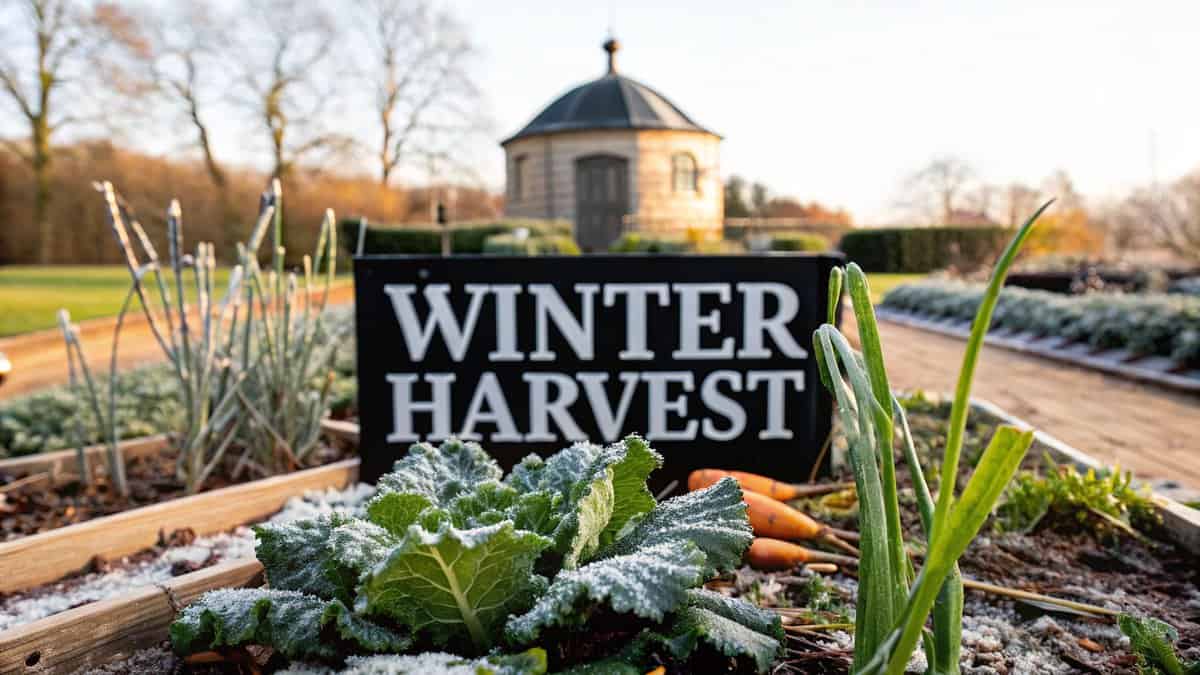
Don’t let the Staffordshire chill put an end to your harvest season. Too many gardeners hang up their trowels in autumn, but a thriving winter vegetable patch is more achievable than you think, especially here in the UK. It’s all about working with the colder months, not against them. This guide, tailored for our local climate, will show you how to extend your growing season and pull fresh, homegrown veg from the ground even on the frostiest Stoke-on-Trent days.
For quotes and bookings, call or email us here.
Embrace Year-Round Gardening in Stoke-on-Trent

We often picture a vegetable garden basking in the summer sun, but the harvest doesn’t have to stop when the clocks go back. Here in Stoke-on-Trent, our local climate is actually a brilliant opportunity for four-season gardening. The often damp, milder winters are perfect for a whole host of hardy vegetables that shrug off the cold.
Forget the old idea that your veg plot has to lie empty from October to March. With a bit of forward planning and the right choice of plants, you can be enjoying delicious, nutrient-packed produce straight from your garden all winter long.
Why Winter Gardening Works in Staffordshire
The real secret is getting to know your own garden’s unique conditions. Even in a small space, you’ll find different microclimates. A sheltered, south-facing wall can easily be a few degrees warmer than an exposed, windswept corner. Finding these little pockets of warmth is your first big step towards a successful winter harvest.
At Stoke Gardening Services, we’ve helped countless local gardeners unlock the year-round potential of their outdoor space. We specialise in finding those perfect spots for winter beds and building setups that give your plants the best possible chance against the UK cold.
Winter gardening requires a slight shift in thinking. You’re not aiming for the explosive growth you see in summer. Instead, the goal is to get your plants to a mature or nearly-mature size by late autumn. They’ll then basically ‘hibernate’ in the soil, ready for you to harvest whenever you need them.
Core Principles for a Thriving Winter Plot
To get started, you just need to keep a few key things in mind. These are the foundations of any productive cold-season garden in the UK:
- Timing is Everything: Most winter crops need a head start. Get them sown in late summer—think July to September—so they can get established before the cold weather and short days really slow them down.
- Location, Location, Location: Give your winter veg the best spot you have. That means maximum sun and shelter from those biting winds. Good light is a precious resource when the days are short.
- Excellent Drainage: Staffordshire’s clay soil can get seriously waterlogged in winter, which is a death sentence for most plant roots. Working in plenty of organic matter or using raised beds is a non-negotiable step to prevent root rot.
While you’re planning your veg patch, why not think about adding a splash of colour too? We’ve got a great guide on some amazing plants that flower in the winter that can brighten up the garden. By mixing your edibles with ornamentals, you can create a space that’s both beautiful and productive all year round.
Choose the Best Vegetables for a UK Winter Harvest
Getting a winter harvest in Stoke-on-Trent all comes down to choosing the right plants from the get-go. Not every vegetable can tough it out through a damp, frosty UK winter, so you’ve got to be smart about what you plant.
We’re talking about the real troopers of the vegetable world. Hardy leek varieties like ‘Musselburgh’ stand tall against the frost, and kale, especially ‘Cavolo Nero’, doesn’t just survive—it actually thrives, giving you rich, dark green leaves right through the coldest spells.
Frost-Hardy Favourites for Stoke Gardens
Here’s a little secret from experienced UK gardeners: some vegetables get better with a bit of frost. The cold triggers a natural process that turns starches into sugars, making them taste incredibly sweet. It’s one of the best perks of winter growing.
A few top performers for British gardens include:
- Parsnips: Varieties like ‘Gladiator’ F1 are famously tough. They develop a wonderfully sweet, nutty flavour after the first frosts hit.
- Carrots: Look for ‘Autumn King’ or ‘Eskimo’. These are brilliant choices for leaving in the ground over winter, ready to be pulled for a surprisingly sweet treat.
- Brussels Sprouts: Everyone knows they taste better after a frost. Varieties like ‘Brodie’ F1 are bred for our climate and will stand strong all winter long.
One of the biggest mistakes we see is people harvesting their root veg too early. Be patient! Leaving carrots and parsnips in the ground until after the first proper frost makes a world of difference to their flavour. Nature sweetens them up for you.
To give you a quick reference, here’s a simple guide for some of the hardiest options you can plant.
Hardy Winter Vegetable Planting Guide
This table should help you plan your sowings for a continuous supply of fresh veg throughout the winter months in the UK.
| Vegetable | Best Sowing Time | Harvest Period | Frost Tolerance |
|---|---|---|---|
| Leeks (e.g., ‘Musselburgh’) | March – April | October – February | Excellent |
| Kale (e.g., ‘Cavolo Nero’) | June – July | October – March | Excellent |
| Parsnips (e.g., ‘Gladiator’) | April – May | October – February | Excellent (improves flavour) |
| Carrots (e.g., ‘Autumn King’) | May – July | October – February | Good (with mulch) |
| Brussels Sprouts | April – May | November – March | Excellent (improves flavour) |
| Purple Sprouting Broccoli | May – June | February – April | Very Good |
| Winter Cabbage | May – June | November – March | Good |
Remember, these are just guidelines. Your own garden’s microclimate might shift things slightly, but this is a solid starting point for any Stoke plot.
Resilient Greens and Alliums
It’s not all about the root veg, though. Many leafy greens and alliums are perfect for a winter patch, giving you a steady supply when most of the garden is asleep. Think winter lettuce, tough spinach varieties, and hardy onions.
By mixing things up, you ensure there’s always something fresh to bring into the kitchen. If you want more inspiration, check out our guide to edible gardening ideas for more creative ways to plan your plot.
Choosing these proven performers is the first step to a garden that feeds you right through to spring. It’s all about working with our Staffordshire climate, not fighting against it.
Prepare Your Garden Beds for Cold Weather Success
A great winter harvest doesn’t just happen; it all starts with the groundwork you lay in late summer and autumn. Getting your plots ready before the first proper chill sets in is arguably the most important job on the list. This means saying goodbye to tired summer crops and giving your soil a bit of TLC.
Think of it as hitting the reset button. Pull out any finished tomato vines or beanstalks and get them on the compost heap. This not only frees up valuable space but also stops pests and diseases from bunking down for the winter, giving your new seedlings a clean, healthy place to grow.
The Foundation of Fertility
Here in Stoke-on-Trent, we’re often dealing with heavy clay soil. In winter, that can mean one thing: a waterlogged, compacted mess. That’s a death sentence for most plant roots. The best defence? A good dose of organic matter. A thick layer of well-rotted manure or your own garden compost really is black gold for your beds.
Adding this material works wonders for the soil structure. It creates tiny air pockets, which dramatically improves drainage and stops roots from drowning in cold, wet earth. It also acts as a slow-release fertiliser, feeding your plants throughout the lean winter months. If you want to get really into the details, have a look at our comprehensive guide on how to prepare soil for planting.
This timeline gives you a good idea of the key stages, from getting seeds in the ground late summer to pulling up delicious veg in the depths of winter.

As you can see, a bit of forward planning in the summer is what really makes a winter garden work. You need to give your plants a chance to get established before the cold slows everything down.
Adopting a No-Dig Approach
We are huge fans of the ‘no-dig’ method, and it’s especially brilliant for winter gardening in the UK. Rather than laboriously turning over the soil, you just spread your compost or manure right on the surface. This keeps the incredible soil ecosystem—all those worms and microbes—undisturbed and happy.
The less you mess with the soil structure, the better it can handle our notoriously heavy winter rain. A no-dig bed is like a sponge; it soaks up moisture without turning into a bog, which is exactly what your winter crops need to thrive.
This isn’t some new-fangled idea. Gardeners have been finding ways to grow food through the lean months for centuries, and it is a cornerstone of sustainable British gardening.
Protect Your Soil with Mulch
Once your beds are fed, the final step is to tuck them in for the winter. A good, thick layer of mulch—think straw, shredded leaves, or even wood chippings—is like a duvet for your soil. It protects the surface from being pummelled by rain, suppresses weeds, and provides a welcome bit of insulation against hard frosts.
For those of you in the Stoke-on-Trent area who want the perfect setup without the backache, we can help. We specialise in building well-drained raised beds and preparing ground-level plots, giving your winter veg the best possible start for a season-long harvest.
Giving Your Crops a Fighting Chance Against the UK Winter

While Stoke-on-Trent might not be in the Arctic Circle, our UK winter can still pack a punch. A sudden, sharp frost or a few weeks of miserable, biting wind can be all it takes to undo your hard work. The good news? Keeping your crops safe doesn’t have to be a massive, expensive job.
A little bit of protection goes a very long way. With a few simple tricks up your sleeve, you can give your plants the shelter they need to not just survive, but truly thrive through the colder months.
Simple, Effective Coverings
Your first port of call should be horticultural fleece. Honestly, this stuff is a winter gardener’s best mate. It’s a lightweight fabric that lets sunlight and rain through but traps a pocket of air around your plants, which is often enough to raise the temperature by a few vital degrees on a frosty night.
You can simply drape it over your veg and weigh it down with a few stones. Or, for something a bit more structured, you can create low tunnels over hoops. This is ideal for rows of lettuce or spinach as it stops the fleece from squashing the leaves.
For individual plants, you can’t go wrong with cloches. You can get traditional glass bell jars, but a DIY version made from a large, clear plastic bottle with the bottom cut off works just as well. They act like tiny personal greenhouses, keeping the frost and wind off while letting that precious winter sun do its work.
Stepping Up Your Garden Protection
If you’re serious about winter growing, investing in a more permanent structure is a game-changer. These options don’t just protect your crops; they can extend your growing season right through into spring.
At Stoke Gardening Services, we’re big fans of building solutions that fit your garden perfectly. A couple of the best options for UK gardens are:
- Cold Frames: Think of these as a bottomless box with a clear, sloping lid. They’re absolutely brilliant for hardening off seedlings or keeping tender herbs and salad leaves going all winter.
- Polytunnels: Even a small polytunnel can completely transform your winter veg patch. It creates a sheltered microclimate, protecting everything from wind, heavy rain, and the worst frosts. You’ll be amazed at the wider variety of crops you can grow.
From our experience, a well-sited cold frame or polytunnel is probably the single best investment a local gardener can make. It takes the guesswork out of the Stoke-on-Trent winter and pretty much guarantees a great harvest, no matter what the weather throws at us.
It just goes to show how important a bit of shelter is. Creating these protected microclimates is a principle used by gardeners and farmers all across the UK to ensure a successful harvest.
Don’t Forget to Protect the Soil
Covering your plants from above is only half the battle. You need to look after the soil, too. A thick blanket of organic mulch spread around the base of your plants is absolutely essential. It insulates the roots from the cold and stops heavy winter rains from washing away your precious topsoil.
We’ve got a whole guide on this, so be sure to check out our tips on mulching to keep your soil in top condition.
Master Winter Garden Maintenance and Harvesting
The best part about winter gardening? It’s far less demanding than in summer. Once your crops are in, your job shifts from constant toil to smart, occasional care. This is the payoff—you’re now growing vegetables for winter and can look forward to enjoying the harvest without a ton of effort.
A classic mistake we see in Stoke-on-Trent gardens is overwatering during winter. Plant growth nearly grinds to a halt in the cold, so they just don’t need much water. Cold, soggy soil is a fast track to root rot. Our rule of thumb is to only water when the soil is dry an inch or two down, and always try to do it on a milder morning.
Winter also means slugs and snails come out to play, especially when it’s damp. Before you reach for the pellets, give natural deterrents a go. Crushed eggshells or wool pellets scattered around the base of your winter lettuces can work wonders. A quick patrol with a torch after dark can be surprisingly effective.
Knowing When and How to Harvest
Harvesting in winter isn’t about clearing a whole crop at once. It’s about taking just what you need for a meal and letting the plant carry on. This ‘cut-and-come-again’ approach is perfect for many winter favourites.
- Leafy Greens: When you’re picking kale, chard, or winter lettuce, always take the outer leaves first. This signals the plant to push out new growth from the centre, meaning you get a steady supply for weeks.
- Leeks and Parsnips: These guys are happy to stay in the ground until you need them. Use a garden fork to gently loosen the soil around them to avoid snapping the roots. A good frost actually makes them taste even sweeter.
- Brussels Sprouts: Always start picking from the bottom of the stalk. The lowest sprouts mature first, and harvesting them encourages the ones further up to fill out.
We get asked this all the time: “What if the ground is frozen solid?” If you know a hard frost is coming and you’ll need to dig up some root veg, just cover that patch of soil with a thick layer of straw or fleece the night before. It usually keeps the ground just soft enough to get a fork in.
Consistent, thoughtful harvesting really is the secret. It keeps the plants productive, giving you fresh, homegrown produce right when you need it most.
Professional Support for Your Winter Garden
Even a low-maintenance patch can feel like a big ask on a bleak, cold day. If you’re around Stoke-on-Trent and could use a hand keeping things ticking over, or just want some advice on getting the most from your harvest, Stoke Gardening Services is here to help.
We offer services designed to keep your winter veg garden in top shape, from initial bed construction to ongoing maintenance. You get all the delicious rewards without any of the chilly hassle.
Your Winter Gardening Questions Answered
Even the most seasoned gardeners run into questions when planning a winter plot. We get plenty of queries from fellow gardeners here in Stoke-on-Trent, so we’ve gathered the most common ones to help you clear up any confusion and get the best out of your cold-season patch.
When Is the Latest I Can Plant for a Winter Harvest in the UK?
This is probably the question we hear most, and it’s a good one. The secret is giving your plants a solid head start before the cold really bites.
For most of your hardy greens—think kale, winter lettuces, and spring cabbage—you’ll want to get seeds in the ground during late summer. Your main window is from July to September. This gives them just enough time to bulk up before the short days and dropping temperatures put the brakes on growth.
Root veg like carrots and parsnips need an even earlier start, so you’re looking at mid-summer for those. But don’t worry if you feel like you’ve missed the boat. You can still pop garlic and overwintering broad beans in as late as October or even November. They’ll sit tight through winter and give you a brilliant harvest next year.
Do I Need a Greenhouse to Grow Vegetables in Winter?
Absolutely not! While a greenhouse is a fantastic luxury, it’s far from essential for a UK winter garden. Many of the toughest crops, like leeks, parsnips, and kale, are perfectly happy to tough it out in a well-prepped garden bed, even with a classic Staffordshire frost. They’re built for it.
If you want to grow more delicate things like winter salads, you just need a bit of simple protection. A basic cloche, a cold frame, or even a layer of horticultural fleece can work wonders by trapping a little warmth. Here at Stoke Gardening Services, we often help people build simple, effective covers that fit their space perfectly.
A lot of people think they need a huge, heated greenhouse. The truth is, a simple, well-placed cold frame is often more than enough to keep a family in winter salads and is a much more practical choice for the average UK garden.
What Is the Biggest Challenge for Winter Gardening in Stoke-on-Trent?
You might think it’s the cold, but it’s usually not. The real culprits in our area are the low light levels and soggy, waterlogged soil. Our winters can be relentlessly grey and damp, which slows growth to a crawl and can easily lead to root rot.
To get around this, put your winter veg patch in the sunniest spot you’ve got—even a few hours of direct light makes a huge difference. Good drainage is non-negotiable. Digging in plenty of compost or well-rotted manure will work wonders for your soil structure.
An even better solution, and one we frequently recommend and build for local clients, is using raised beds. They physically lift the plant roots up and out of the cold, wet ground, creating the perfect environment for a healthy winter harvest.
Can Stoke Gardening Services Create A Winter Vegetable Garden For me?
Feeling ready to start growing winter vegetables, but could use a bit of help and guidance? Stoke Gardening Services is here to help Stoke-on-Trent residents turn their winter gardening plans into a reality. Whether it’s building the perfect raised beds or just offering some expert advice, we’ll help you get a fantastic harvest all year round. Contact us today to see how we can help your garden thrive.
For quotes and bookings, call or email us here.