

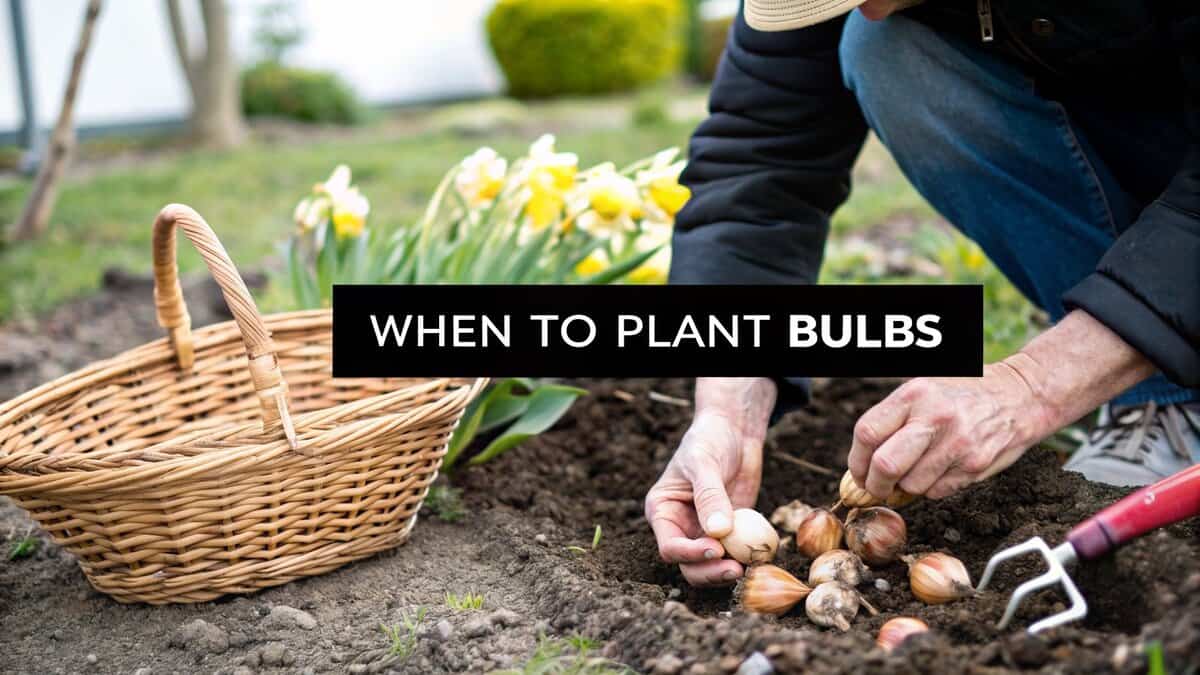
If you want a garden that truly comes alive with colour, getting your timing right is everything. For those of us gardening in Stoke-on-Trent, the rule of thumb is wonderfully simple: get your spring-flowering bulbs (think daffodils and tulips) in the ground during the autumn. For summer-flowering bulbs like dahlias and lilies, you’ll want to plant them in the spring.
Sticking to this schedule is crucial for our local Staffordshire climate. It gives each bulb the best possible start, ensuring it has just what it needs to flourish when its time comes. At Stoke Gardening Services, we have years of experience helping local gardeners achieve stunning results by working with our unique regional conditions.
For quotes and bookings, call or email us here.
Your Stoke-on-Trent Bulb Planting Calendar
A spectacular flower display doesn’t happen by accident—it’s all about timing. In a place like Stoke-on-Trent, with our very distinct seasons, planting bulbs in the right season gives them the head start they need to develop strong roots and, eventually, those gorgeous blooms we all want.
This isn’t just a suggestion; it’s a practice that works with the bulb’s natural life cycle. For instance, spring-flowering bulbs absolutely need a period of cold to kickstart their growth. Luckily, our chilly Staffordshire winters provide that perfectly.
This infographic breaks down the journey for spring bulbs beautifully.

It maps out the entire process, from planting in the autumn, through the essential winter dormancy, right up to that first burst of colour in the spring. Getting your head around this timeline is the first real step to a garden full of flowers.
Getting the Timing Just Right
So, what’s the sweet spot? You want to plant your bulbs when the soil has cooled down but long before it has a chance to freeze solid. This window gives them plenty of time to settle in and establish roots without the risk of rotting in warm, wet soil or getting damaged by a hard frost.
The ideal time is typically 4-6 weeks before the first ground frost is expected in the Stoke-on-Trent area.
This simple bit of knowledge has become more important than ever, as more people get their hands dirty with a bit of DIY gardening. While the basic principles are the same across the UK, the exact timing always comes down to the local climate.
As local garden specialists right here in Stoke-on-Trent, we’ve seen it time and time again: matching your planting schedule to our specific climate is what separates a good garden from a great one. It truly makes all the difference.
To make things even clearer, here’s a quick reference table for some of the most popular bulbs we plant in our local gardens.
Quick Planting Guide for Stoke-on-Trent Gardens
This table sums up the best times to plant different types of bulbs to get the most out of them in our local UK climate.
| Bulb Type | Planting Season | Flowering Season | Example Flowers |
|---|---|---|---|
| Spring-Flowering | Autumn (Sep-Nov) | Spring (Feb-May) | Daffodils, Tulips, Crocuses |
| Summer-Flowering | Spring (Mar-May) | Summer (Jun-Aug) | Dahlias, Lilies, Gladioli |
| Autumn-Flowering | Late Summer (Jul-Aug) | Autumn (Sep-Oct) | Nerines, Colchicum |
| Winter-Flowering | Late Summer (Aug-Sep) | Winter (Dec-Feb) | Snowdrops, Winter Aconites |
Whether you’re just starting out or have been gardening for years, working with nature’s calendar is the secret to success. This guide is all about giving you that local knowledge.
And just because the main planting seasons are over, doesn’t mean the garden goes to sleep! For more tips on keeping things going during the colder months, check out our guide on gardening in the winter.
Autumn Planting for Spectacular Spring Colour
If you want your Stoke-on-Trent garden to burst with colour after a long, grey winter, the real work starts in autumn. Getting your spring-flowering bulbs—think tulips, daffodils, and crocuses—into the ground between September and November is the secret to a stunning spring show. It’s all about timing and working with nature.
These bulbs aren’t just dormant; they actually need a proper cold spell to kickstart their growth cycle. This “chilling period,” or vernalization, is something our cold, damp Staffordshire winters are perfect for. The prolonged chill tells the bulb it’s time to get ready, so when the soil finally warms up, it’s primed for vigorous growth. Skip this crucial step, and you’ll likely end up with weak, stunted flowers, or worse, no flowers at all.
Getting Your Garden Beds Ready
The foundation of any good display is the soil. Here in Staffordshire, many of us are dealing with heavy, clay-based ground. While it holds nutrients well, it also holds water—a real problem for bulbs that can easily rot in soggy winter soil. Improving drainage isn’t just a good idea; it’s essential.
Before you even think about planting, dig in a generous amount of organic matter. Well-rotted compost or leaf mould works wonders for breaking up that dense clay. We also recommend adding a handful of horticultural grit to the bottom of each planting hole. This creates a little drainage pocket right under the bulb, keeping it from sitting in a puddle.
Here’s a simple trick we always use for planting depth: dig a hole that’s about three times the height of the bulb itself. For spacing, give bigger bulbs like daffodils 10-15cm of room, and smaller ones like crocuses about 5-7cm. This prevents them from fighting for space later on.
Once your bulbs are tucked in, a good layer of mulch on top will protect them from the worst of the winter weather. You can read all about our favourite techniques in our guide with tips on mulching, which also helps keep the weeds down come spring.
How to Create a Continuous Wave of Colour
A truly beautiful spring garden doesn’t just bloom all at once and then fade away. The real magic is in creating a continuous show of colour that lasts for months. By layering different types of bulbs—a technique called “succession planting”—you can have something new popping up from late winter right through to the edge of summer.
Here’s a simple planting recipe that works brilliantly in local gardens:
- For Early Spring (February-March): Start with Snowdrops and bright yellow Winter Aconites. These tough little gems are the first to arrive and will often push right through a late dusting of snow.
- For Mid-Spring (March-April): This is when the classic Daffodils and fragrant Hyacinths take centre stage. We always suggest planting a mix of early and mid-season daffodil varieties to keep the sea of yellow going for as long as possible.
- For Late Spring (April-May): Finish with a grand finale of colourful Tulips and the striking, globe-shaped heads of Alliums. A little tip: planting your tulips a bit later in autumn can help you avoid a nasty fungal disease called tulip fire.
By planning your planting in these waves, your garden will be an ever-changing display of life and colour, rewarding all your autumn efforts for months on end.
Spring Planting for a Vibrant Summer Garden
While we often think of autumn as the big bulb-planting season, don’t put your trowel away just yet. Spring is your chance to plan for a summer garden that truly dazzles with bold, spectacular blooms. This is when we turn our attention to the more tender, sun-loving varieties like Dahlias, Gladioli, and Begonias.

Unlike the tough-as-nails daffodils and tulips, these summer beauties are sensitive souls. They simply can’t tolerate frost, so timing is everything. Here in Stoke-on-Trent, that means holding your nerve until the risk of the last frost has well and truly passed, which is typically around late April or early May. Pop them in the ground too soon, and a late cold snap could easily damage their delicate new growth.
Preparing for Summer’s Stars
Summer-flowering bulbs are hungry plants. To get that incredible floral display, they need soil that’s rich and full of nutrients. Before you even think about planting, we always recommend working a generous amount of well-rotted compost or manure into your garden beds. This not only feeds the bulbs but also dramatically improves the soil structure and drainage—a real lifesaver in our heavy Staffordshire clay.
Most of these summer bloomers thrive in soil with a slightly acidic to neutral pH. If you’re not sure what you’re working with, it’s well worth doing a quick test. Our guide on how to test soil pH makes it incredibly straightforward.
Want a pro tip for a head start? Pot up your Dahlias indoors in March or April. A greenhouse or even a bright, sunny windowsill is perfect. This little trick gives them a chance to sprout in a safe, warm spot before you plant them out after the last frost.
It’s no surprise that certain tried-and-tested methods have become the benchmark for gardeners everywhere, including right here in the UK.
Creative Ideas for Summer Blooms
The best thing about summer bulbs is their sheer versatility. They are fantastic for injecting a fresh wave of colour just as the last of the spring flowers are starting to fade.
At Stoke Gardening Services, we love using summer bulbs to create dynamic, layered garden designs. They are perfect for filling gaps in perennial borders or creating spectacular container displays that become the focal point of a patio.
Looking for a bit of inspiration for your own Stoke-on-Trent garden? Here are a few ideas we often recommend to our clients:
- Dramatic Container Displays: Pack large pots with Begonias or dwarf Dahlias for a stunning patio feature. They’ll give you non-stop colour all the way until the first frosts of autumn.
- Filling Perennial Gaps: Use the tall, elegant spires of Gladioli or the exotic trumpets of Lilies to add height and drama to the middle or back of a border. Their upright growth means they can slot in neatly without smothering their neighbours.
- Creating a Cutting Garden: If you love having fresh flowers indoors, why not dedicate a small patch just for cutting? Planting Dahlias and Gladioli in simple rows makes them incredibly easy to look after and even easier to harvest for your vase.
By taking the time to plant in spring, you’re setting the stage for a garden that remains a vibrant, colourful haven all summer long, giving you a continuous show that brings joy right through the season.
Choosing the Best Bulbs for Your Garden
Knowing when to plant is half the battle, but picking the right bulbs is where the real magic happens. For those of us gardening in Stoke-on-Trent, that means choosing varieties tough enough to handle our classic Staffordshire climate—think damp winters and that heavy clay soil we all know and love. It’s about working with your garden, not fighting it.

Before you even think about digging, start with good-quality, healthy bulbs. When you’re picking them out, give them a gentle squeeze. You’re looking for bulbs that are firm and plump, not soft, mouldy, or shrivelled up. A bigger, heavier bulb usually has more stored energy, which almost always means a bigger, more impressive flower. Think of it as giving your plants the best possible head start.
Hardy Choices for the Staffordshire Climate
Let’s be honest, not all bulbs are cut out for our local conditions. While those fancy, highly-bred tulips look amazing for a season, they often don’t bother showing up for a second year. Our advice? Focus on the reliable performers, the ones that will come back stronger each year and even multiply. You get far more beauty for your money and effort.
Here are a few tried-and-tested varieties we often recommend for local gardens:
- Hardy Daffodils: You can’t go wrong with varieties like ‘Tête-à-Tête’. They’re famously resilient and don’t mind our damp winters one bit.
- Reliable Tulips: If you want tulips that return, look for Darwin Hybrids. They’re known for their perennial nature and strong stems, making them a much smarter investment.
- Shade-Tolerant Snowdrops: Got a shady spot under a tree? Galanthus nivalis, the common snowdrop, is your answer. They’ll happily spread into a gorgeous white carpet over the years.
Planning for Continuous Colour
The real secret to a stunning spring garden is making sure there’s always something in bloom. This is called succession planting, and it’s all about layering bulbs with different flowering times to create waves of colour from late winter right through to early summer.
You could start with early bloomers like crocuses and snowdrops, have mid-season daffodils take over, and then finish with a show-stopping display of late tulips and alliums. It’s an especially great trick if you’re short on space. We’ve got more ideas like this in our guide on the best plants for a small garden.
Here’s a simple table to help you match the right bulb to the right spot in your garden.
Bulb Selection Guide for Local Conditions
This little cheat sheet compares some popular bulbs and highlights where they’ll be happiest in a typical Stoke-on-Trent garden, taking into account our sun, shade, and soil.
| Bulb Name | Ideal Location (Sun/Shade) | Soil Preference | Good For |
|---|---|---|---|
| Daffodils (Narcissus) | Full Sun to Partial Shade | Well-drained soil is best, but tolerant of clay | Naturalising in lawns, borders, containers |
| Darwin Hybrid Tulips | Full Sun | Well-drained | Reliable perennial colour in beds and borders |
| Crocus | Full Sun to Partial Shade | Well-drained | Early colour in lawns, rockeries, under trees |
| Snowdrops (Galanthus) | Partial to Full Shade | Moist, humus-rich | Woodland gardens, shady spots, naturalising |
| Alliums | Full Sun | Well-drained, even sandy | Adding height and structure to summer borders |
Choosing from this list gives you a great starting point for bulbs that are more likely to thrive and return year after year, rather than being a one-season wonder.
It’s a fascinating bit of trivia that the vast majority of flower bulbs aren’t even grown for gardeners like us. For flowers like tulips, over 90% of all bulbs produced are destined for the cut flower industry. This commercial demand is why certain types are so widely available, but it’s often the hardier, perennial varieties that truly perform best in a home garden setting. If you’re curious, you can read the full research on the flower bulb market.
At Stoke Gardening Services, we believe in building gardens that last. By helping you choose the right bulbs for your soil and light conditions, we can create a sustainable display that brings you joy year after year, without the need for a complete replant every autumn.
What to Do After Planting Your Bulbs
Once your bulbs are tucked into the soil, you can mostly let nature take its course. But a few simple actions right after planting, and a little care later on, can be the difference between a good show and a truly stunning one. It’s all about giving them the best possible start for a fantastic display come spring.
The very first thing you should do is give the area a thorough watering. This isn’t just about moisture; it helps settle the soil snugly around the bulbs, gets rid of any air pockets, and kick-starts root development. You won’t need to keep watering over winter—our typical Stoke-on-Trent weather will handle that—but this initial drink is vital.
Protecting Your Bulbs Through Winter
As the colder weather sets in, your two biggest enemies are harsh frosts and hungry critters. A good layer of mulch is your best defence against both. We recommend spreading a 2-3 inch layer of bark chips, well-rotted leaf mould, or even your own garden compost over the planted area.
This acts like a cosy duvet, insulating the soil from the worst of the winter cold. As a bonus, it also keeps weeds down and gradually improves your soil structure as it breaks down. It’s a simple step that pays huge dividends.
Squirrels, in particular, seem to have a knack for finding freshly planted tulips. They can undo all your hard work in a single afternoon! Here are a couple of humane tricks we’ve used to keep them away:
- Chicken Wire: Before adding your mulch, lay a piece of chicken wire or plastic mesh over the soil. Peg it down firmly. The bulbs will find their way through the gaps in spring, but it’ll stop the squirrels from digging down.
- Chilli Flakes: A light scattering of chilli flakes or garlic powder on the surface can also work wonders. Most animals hate the strong smell and will leave the area alone.
The Golden Rule After Flowering
After you’ve enjoyed the beautiful blooms, it’s so tempting to tidy everything up and chop back the leaves. Don’t do it! This is hands-down the most important moment in a bulb’s yearly cycle.
Those leaves are now working hard as solar panels, soaking up sunlight and sending all that energy back down to recharge the bulb for next year’s performance.
Let the foliage die back naturally. It needs to turn yellow and wither completely on its own. If you cut it off while it’s still green, you’re starving the bulb, and you’ll likely get no flowers at all the following year.
If you have daffodils in your lawn, just mow around them until the leaves have died back. In flower beds, a great tip is to plant them near perennials like Hostas or Geraniums. As the perennial’s foliage grows, it will neatly hide the fading bulb leaves. At Stoke Gardening Services, we often use this technique to make sure our clients’ gardens look great right through the seasons, not just when the bulbs are in flower. It’s all part of planning for a garden that looks after itself.
Common Questions on Planting Flower Bulbs
Even the most seasoned gardeners run into a few snags now and then. Here in Stoke-on-Trent, we get asked a lot of the same questions from folks trying to get the best blooms from their bulbs. Let’s dig into some of the most common ones.

What If I Missed the Autumn Planting Window?
Life gets busy—it happens to all of us! If you’ve missed that ideal September-to-November window, don’t panic. You can often get away with planting spring-flowering bulbs as late as December or even January here in Stoke-on-Trent, as long as the ground isn’t a frozen block.
They might flower a little later and perhaps not as spectacularly in their first year, but it’s far better to get them in the ground than to let them dry out in the shed. For tulips, planting later can actually be a blessing in disguise, as it helps them avoid a nasty fungal disease called tulip fire.
If the ground is just too hard and frosty, you have another great option: pots. Plant your bulbs in containers with good quality compost and find a sheltered spot for them outdoors. They still need that winter chill to get going, but this way you won’t miss out.
How to Handle Heavy Clay Soil
Ah, the classic Staffordshire clay. It’s packed with nutrients, but it can turn into a soggy mess in winter, which is the absolute enemy of most bulbs. The trick is to improve the soil’s structure before you even think about planting.
The single best thing you can do for clay soil is to dig in plenty of organic matter. We’re talking about well-rotted manure, garden compost, or leaf mould. This stuff works wonders, breaking up that dense, sticky texture and massively improving drainage.
We always recommend adding a good handful of horticultural grit to the bottom of each planting hole, too. This creates a little drainage channel right under the bulb, giving it a much better chance of surviving our wet winters without rotting. For really troublesome, boggy spots, raised beds are your best friend and a construction idea we can certainly help with.
Can I Plant Flower Bulbs in Containers?
You certainly can! Planting in pots is a fantastic way to bring a splash of colour to patios, balconies, or right by your front door. One of our favourite techniques is the “bulb lasagne,” where you layer different types of bulbs in one deep container for a long-lasting show.
Here’s how it works:
- Bottom Layer: Put your largest, latest-blooming bulbs at the bottom. Think big, dramatic tulips.
- Middle Layer: Next, add a layer of mid-season bloomers like daffodils.
- Top Layer: Finish with the smallest and earliest flowers, like crocuses, just below the surface.
This method gives you a continuous display of flowers from early spring onwards, all from a single pot. Just be sure the container has plenty of drainage holes and use a quality peat-free compost mixed with some grit to keep it from getting waterlogged.
Our Stoke On Trent Gardening Services
Creating a garden that truly flourishes in our local Stoke-on-Trent climate is what we love to do. If you need a hand with planting, getting your soil right, or even a full garden redesign, Stoke Gardening Services is ready to help. Contact us today to see how we can help bring your garden to life.
For quotes and bookings, call or email us here.