

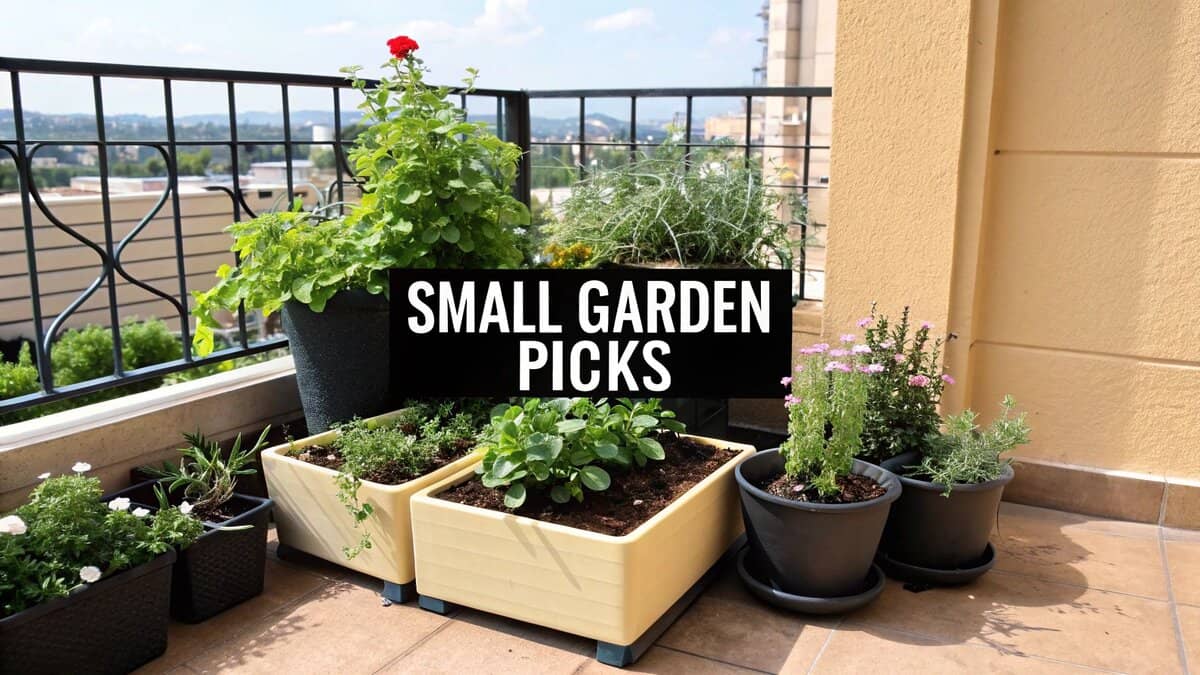
Having a small garden in Stoke-on-Trent doesn’t mean you have to settle for small ambitions. Whether you have a compact backyard, a narrow side return, or just a sunny patio, the right plants can transform your limited space into a lush, productive, and beautiful oasis. The key is choosing varieties that are naturally compact, suitable for containers, or can be trained to grow vertically, making the most of every square inch. This guide is designed to take the guesswork out of your selection process.
We will explore a curated list of the best plants for a small garden, focusing specifically on what thrives in the UK climate. Forget feeling limited; instead, learn how to maximize your plot with smart choices that deliver big results. From vibrant vegetables and fragrant herbs to beautiful ornamental plants, each selection is chosen for its ability to flourish without demanding excessive room. We’ll provide practical tips on how to grow each plant, ensuring you have the knowledge to create a garden that is both stunning and manageable.
This article will show you how to layer your garden with different types and sizes of plants for a fuller look. For instance, incorporating compact trees can add essential height and structure without overwhelming the area. To further explore how to maximize your compact space, discover the best trees for small gardens that can add vertical interest and shade. Our goal is to provide Stoke-on-Trent homeowners with actionable ideas to turn any small outdoor area into a personal sanctuary, proving that a truly great garden is measured in beauty and enjoyment, not just size.
For quotes and bookings, call or email us here.
1. Tomatoes (Determinate Varieties)
Thinking you don’t have enough room for homegrown vegetables? Think again. Determinate tomatoes are a game-changer for small gardens, patios, and balconies. Unlike their sprawling “indeterminate” cousins that grow continuously, determinate varieties grow to a fixed, compact height (usually 2-3 feet), produce their fruit all at once, and then they’re done. This predictable growth habit makes them one of the best plants for a small garden, delivering a delicious harvest without overtaking your space.
This compact nature is why you’ll see them thriving in containers on sunny UK patios, supported by small trellises, and tucked into community garden plots where every inch counts. They are perfectly suited for the British climate, especially varieties like ‘Tumbling Tom’ or ‘Red Robin’ which perform well in our sometimes-short growing season.
Why They Work in Small Spaces
Determinate tomatoes are the ideal choice when your garden is a collection of pots or a single raised bed. Their manageable size means they won’t cast excessive shade on neighbouring plants, and their concentrated harvest period is perfect for gardeners who want to make sauces or salsas in one big batch. Because they stop growing at a certain point, they require less staking and pruning than indeterminate types, simplifying maintenance.
How to Get the Best Results
Success with container tomatoes comes down to a few key details. Follow these tips to ensure a healthy and productive plant:
- Container is King: Use a pot that is at least 5 gallons (around 20 litres) in size with plenty of drainage holes. This gives the roots enough room to grow and prevents waterlogging, which is a common issue in our often-damp Stoke-on-Trent weather.
- Soil and Sun: Plant in a high-quality, peat-free, well-draining potting mix amended with compost. Tomatoes are sun-worshippers, so place your container in the sunniest spot you have, aiming for at least six hours of direct sunlight per day.
- Watering and Feeding: Water deeply when the top inch of soil feels dry. Consistent watering prevents issues like blossom-end rot. Feed every 2-3 weeks during the growing season with a balanced liquid fertiliser, such as a seaweed feed, to support fruit development.
Growing in raised beds can provide even better drainage and soil warmth. If you’re considering this method, find out more about how to get the best results with vegetable gardening in raised beds.
2. Herbs (Basil, Thyme, Parsley, Chives)
There’s nothing quite like stepping out to your garden to snip fresh herbs for a meal. Culinary herbs like basil, thyme, parsley, and chives are quintessential choices for compact spaces, offering an incredible return in flavour and fragrance from a very small footprint. They are fast-growing, continuously harvestable, and perfectly suited for container life, making them some of the best plants for a small garden for both novice and experienced gardeners.

This space-saving efficiency is why you see vibrant windowsill herb gardens in city flats and fragrant container collections on urban balconies across Britain. These hardworking plants deliver fresh ingredients right to your doorstep, adding life to your outdoor space and flavour to your kitchen. Hardy herbs like thyme and chives are particularly well-suited to the UK climate, thriving even in the cooler Stoke-on-Trent weather.
Why They Work in Small Spaces
Herbs are the ultimate multi-taskers in a small garden. Their compact growth habit means a diverse collection can fit into a single window box or a few small pots, leaving room for other plants. Many herbs, like basil, can even be grown indoors on a sunny windowsill year-round. They provide a continuous harvest; the more you trim them, the bushier and more productive they become. This “cut-and-come-again” nature ensures a steady supply of fresh flavour without needing a large plot.
How to Get the Best Results
Getting a thriving herb garden started is simple with a few key considerations. Follow these tips for a fragrant and flavourful harvest:
- Potting and Placement: Use individual pots at least 4-6 inches in diameter with good drainage, or group them in a larger window box. Place them in a spot that receives at least six hours of sunlight. A south-facing windowsill is ideal for indoor growing.
- Water Wisely: Group herbs with similar water needs. Drought-tolerant Mediterranean herbs like thyme and rosemary prefer drier soil, while basil and parsley require more consistent moisture. Let the top inch of soil dry out before watering again.
- Harvest for Growth: Regularly snip leaves from the top of the plants. This encourages them to grow bushier and more compact rather than tall and leggy. Pinch off any flower buds that appear on plants like basil to prolong leaf production and maintain the best flavour.
Herbs also make excellent companion plants for vegetables, helping to deter pests. To learn more about creating beneficial plant pairings in your garden, you can explore the principles of companion planting.
3. Lettuce and Leafy Greens (Mesclun Mix, Spinach, Kale)
If you want a productive, quick, and easy harvest, leafy greens are the perfect solution. Varieties like loose-leaf lettuce, spinach, and kale are fantastic because they have shallow root systems and thrive in containers, window boxes, and small raised beds. The “cut-and-come-again” harvesting method means you can enjoy fresh salads for weeks from the same plants, making them undeniably one of the best plants for a small garden for continuous yield in minimal space.
This method of intensive cultivation is used everywhere, from high-tech vertical farms to urban rooftops where fresh greens are grown to supply local restaurants. The beauty of these plants is their adaptability; they can be grown in a small pot on a balcony or packed densely into a dedicated garden bed, providing a much higher yield per square foot than many other vegetables.
Why They Work in Small Spaces
Lettuce and other leafy greens are ideal for small-scale gardening because they don’t require deep soil, making them perfect for shallow containers or planters. Their rapid growth cycle allows for multiple sowings throughout the UK’s growing season. The cut-and-come-again approach is a space-saving marvel: instead of harvesting the whole plant, you simply snip the outer leaves, allowing the centre to continue producing new ones. This provides a steady supply without needing to replant constantly.
How to Get the Best Results
Achieving a lush, continuous harvest of leafy greens is straightforward with the right approach. Follow these tips for success:
- Shallow and Wide is Best: Use containers that are at least 6-8 inches deep, but wider is better to allow for more plants. Window boxes and rectangular troughs are excellent choices. Ensure there are plenty of drainage holes.
- Successional Sowing: For a non-stop supply, sow a small batch of seeds every two weeks. This simple step prevents you from having a huge glut of greens all at once, followed by nothing.
- Harvesting Technique: Once the outer leaves are 3-4 inches tall, snip them off with scissors about an inch from the base. Always leave the central, smaller leaves intact to encourage regrowth.
- Moisture and Sun: Keep the soil consistently moist but not waterlogged. While they enjoy sun, providing some afternoon shade during the hottest parts of summer can prevent the leaves from becoming bitter, a common challenge even in Stoke-on-Trent. Start with easy-to-grow varieties like ‘Black Seed Simpson’ or a simple mesclun mix.
4. Strawberries (Alpine and Compact Varieties)
The dream of picking sun-warmed, sweet strawberries from your own garden is achievable even with the smallest of spaces. Alpine and compact strawberry varieties are designed for containers, hanging baskets, and vertical planters. Unlike traditional sprawling types that send out long runners, these cultivars remain neat and tidy, focusing their energy on producing fruit. This contained growth makes them one of the best plants for a small garden, offering a delicious and continuous harvest.
This versatility is seen in creative urban gardening, from vertical strawberry towers on apartment balconies to decorative hanging baskets cascading with fruit. In the UK, compact varieties are perfectly suited to our climate, thriving on patios in Stoke-on-Trent or tucked into the corners of raised beds, providing a sweet treat throughout the summer months.
Why They Work in Small Spaces
Strawberries are brilliant for maximising vertical space. A hanging basket or stacked planter can produce an impressive yield in a tiny footprint. Alpine varieties are particularly well-behaved, forming neat clumps rather than spreading, making them ideal for window boxes or as an edible border. Choosing day-neutral varieties ensures a steady supply of fruit from early summer to the first frosts, rather than one single, large harvest.
How to Get the Best Results
Growing luscious strawberries is straightforward if you pay attention to their basic needs. Follow these tips for a bumper crop:
- Choose Your Home: For containers, use a pot at least 5 gallons (20 litres) in size or a standard hanging basket with good drainage. This ensures the roots have adequate space and don’t become waterlogged in our unpredictable Staffordshire weather.
- Sun and Soil: Strawberries love the sun, so find a spot that receives at least six hours of direct sunlight daily. Plant them in well-draining potting compost enriched with organic matter.
- Water and Mulch: Water consistently, keeping the soil moist but not soggy. Apply a layer of straw or mulch around the plants once they start to fruit. This keeps the berries off the damp soil, preventing rot and deterring slugs.
- Feeding for Fruit: To encourage a plentiful harvest, feed your plants with a high-potash liquid fertiliser, like a tomato feed, every couple of weeks once they begin to flower.
If you’re looking to integrate edible plants like strawberries into a larger garden design, our team can help. Learn more about creating a beautiful and productive space by exploring our garden maintenance services.
5. Dwarf Fruit Trees (Patio Apples, Lemons, Figs)
Dreaming of harvesting your own fruit but convinced you lack the space of a traditional orchard? Dwarf fruit trees are the perfect solution. These are not just small trees; they are specially grafted onto dwarfing rootstock to limit their mature height to a manageable 6-12 feet while still producing full-sized, delicious fruit. This makes them one of the best plants for a small garden, allowing you to grow apples, pears, and even figs right on your patio or balcony.
This ingenious horticultural technique is why you can see beautiful dwarf fruit trees thriving in containers, and even espalier-trained fruit trees adding vertical interest to UK gardens. They are a brilliant way to bring productive, structural planting into a space where every square foot is precious. In the UK, patio apples like ‘James Grieve’ or a self-fertile fig like ‘Brown Turkey’ perform exceptionally well in containers.
Why They Work in Small Spaces
Dwarf fruit trees offer the joy of a home-grown harvest without the commitment of a full-sized tree. Their compact root systems are perfectly happy in large containers, making them portable and ideal for renters or those with paved gardens. They can be trained flat against a wall (espalier) to save even more space, and their smaller stature makes tasks like pruning, pest control, and harvesting significantly easier.
How to Get the Best Results
Success with patio fruit trees hinges on giving them the right foundation. Follow these key tips to ensure your tree flourishes and fruits for years to come:
- Potting Up: Choose a large, sturdy container, at least 15-25 gallons (60-100 litres), with excellent drainage. This is crucial to prevent root rot, a common problem in the damp Stoke-on-Trent climate. Terracotta or wood planters are great choices.
- The Right Mix: Plant in a high-quality, well-draining, soil-based compost like a John Innes No. 3. This provides stability and nutrients that multi-purpose composts lack over the long term.
- Water and Food: Water thoroughly when the top couple of inches of compost feel dry, but don’t let the pot sit in water. During the growing season (spring and summer), feed monthly with a balanced liquid fertiliser, switching to a high-potassium feed once fruit starts to form.
- Pruning and Pollination: Prune in late winter while the tree is dormant to maintain an open, productive shape. Check if your chosen variety is self-pollinating or needs a partner plant nearby. Many patio varieties are bred to be self-fertile for convenience.
For a comprehensive guide to container selection and planting techniques, explore our tips on planting a fruit tree in a pot.
6. Compact Ornamental Plants (Hostas, Sedums, Ornamental Grasses)
A beautiful garden isn’t just about flowers and food; it needs structure, texture, and year-round interest. This is where compact ornamental plants shine. Varieties like hostas, sedums, and dwarf ornamental grasses provide the essential ‘bones’ of a garden design, creating a lush backdrop and visual appeal without demanding much space. Their varied forms and foliage make them some of the best plants for a small garden, adding depth and sophistication to any plot.
This design principle is seen everywhere from modern minimalist gardens using bold hosta leaves as features, to traditional cottage-style borders where sedums and grasses fill gaps between flowering perennials. In Stoke-on-Trent, where gardens vary from sunny patios to shadier backyards, a mix of these ornamentals ensures every corner has something interesting to look at, even in winter when grasses like Hakonechloa macra provide colour and movement.
Why They Work in Small Spaces
Compact ornamentals are masters of impact in a small footprint. Hostas offer bold, architectural leaves in shaded spots where little else will thrive. Sun-loving sedums provide fleshy, succulent textures and late-season colour. Ornamental grasses add movement and a soft, airy quality that can make a space feel larger. Together, they create layers of interest that draw the eye and prevent a small garden from looking flat or one-dimensional. Their low-maintenance nature also means less work for you.
How to Get the Best Results
Creating a stunning display with ornamentals is about smart selection and placement. Follow these tips for a garden that looks professionally designed:
- Layering is Key: Combine different heights and textures for visual depth. Plant taller grasses like Stipa tenuissima at the back, mid-height hostas like ‘June’ in the middle, and low-growing sedums like ‘Autumn Joy’ at the front of a border or container.
- Play with Foliage: Don’t just think about flowers. Mix the blue-green leaves of a hosta with the deep purple of a sedum or the golden hue of a grass. This contrast in foliage provides interest long after any blooms have faded.
- Right Plant, Right Place: Pay attention to sun exposure. Hostas are perfect for the shady side of a garden in Stoke-on-Trent, while sedums and most ornamental grasses need at least six hours of sun to perform their best.
- Mulch for Success: Apply a 2-3 inch layer of mulch (like bark chips or compost) around your plants. This helps retain moisture in the soil, suppresses weeds, and keeps your garden looking tidy.
If you’re unsure how to combine plants for the best effect, our garden maintenance services can help you select and place the perfect ornamentals to enhance your outdoor space.
7. Pole Beans and Vertical Legumes (Runner Beans, Sugar Snap Peas)
When ground space is at a premium, the only way to grow is up. Pole beans and other climbing legumes like runner beans and sugar snap peas are masters of vertical gardening. Instead of spreading outwards, these plants happily climb trellises, nets, or poles, producing an abundant harvest from a tiny ground footprint. This vertical growth strategy makes them one of the best plants for a small garden, adding height, structure, and delicious crops to even the most compact of spaces.

This space-saving technique has been used for centuries, from the elegant bean teepees in traditional cottage gardens to the efficient training systems of Victorian kitchen gardens. Today, you’ll see them thriving on urban balconies against wall-mounted trellises and adding a dramatic vertical element to raised beds in Stoke-on-Trent allotments. Varieties like ‘Blue Lake’ pole beans and ‘Czar’ runner beans are particularly well-suited to the UK climate.
Why They Work in Small Spaces
Vertical legumes allow you to grow a substantial amount of food in an area that might otherwise go unused. A simple trellis against a sunny wall or a bamboo cane teepee in a large container can yield continuous harvests throughout the summer. As a bonus, these plants are “nitrogen-fixers,” meaning they capture nitrogen from the air and store it in their roots, naturally enriching the soil for future plantings. Their height also makes harvesting much easier, with no need for bending or stooping.
How to Get the Best Results
Getting a successful vertical harvest is straightforward if you provide the right support and care from the start.
- Support is Essential: Install your support structure before planting to avoid damaging young roots. A sturdy trellis, obelisk, or a simple teepee made of bamboo canes should be at least 6-8 feet tall.
- Sowing and Spacing: Wait until the soil has warmed up, usually in late spring here in Stoke-on-Trent. Sow seeds directly at the base of your support, planting them about 2-3 inches apart.
- Water and Harvest: Keep the soil consistently moist, especially once the plants begin to flower and produce pods. Harvest beans and peas regularly, as this encourages the plant to produce more. Pick them when they are young and tender for the best flavour and texture.
- Feeding: Because these plants create their own nitrogen, they require very little fertiliser. Over-fertilising can lead to lots of leaves but fewer beans.
Growing vertically is a fantastic way to increase your yield and add visual appeal. You can find more inspiration by exploring other edible gardening ideas that make the most of limited space.
8. Microgreens and Sprouts (Broccoli, Radish, Mustard Microgreens)
For the ultimate in space-saving food production, look no further than microgreens and sprouts. These aren’t just a garnish; they are nutrient-packed, ultra-compact edible greens harvested at the seedling stage. Requiring minimal space and ready in just 7-14 days, they offer an incredible yield per square inch. This method bridges the gap between indoor and outdoor gardening, making them one of the absolute best plants for a small garden or even a sunny windowsill.
You’ve likely seen these vibrant greens at farmers’ markets or used to add freshness and visual appeal in restaurants across the UK. Their intense flavour and high nutritional value are why top chefs use them. For home gardeners in Stoke-on-Trent, they represent a way to have a continuous supply of fresh, homegrown greens year-round, regardless of the weather outside.
Why They Work in Small Spaces
Microgreens are the definition of gardening in miniature. They are grown in shallow trays, not deep pots, meaning you can stack them on shelves or fit several on a single windowsill. Because they are harvested so young, you don’t need to worry about long-term plant care, pests, or diseases that can affect mature plants. They provide a quick, reliable, and continuous harvest, allowing you to grow a surprising amount of food in a space no larger than a shoebox.
How to Get the Best Results
Growing microgreens is simple, fast, and incredibly rewarding. Follow these steps for a successful crop every time:
- Prep Your Trays and Seeds: Use shallow trays with drainage holes. Soak larger seeds like broccoli or radish for 4-8 hours before sowing to speed up germination.
- Sow Densely: Spread your seeds thickly and evenly over the surface of a quality seed-starting mix. This high density is key to getting a lush, full tray.
- Moisture is Key: Mist the seeds and soil 2-3 times daily to keep them consistently moist but not waterlogged. Initially, you can cover the tray with another inverted tray to create a dark, humid environment for sprouting.
- Give Them Light: Once the seeds have sprouted, move them to a spot with indirect sunlight, like a bright windowsill. Direct, intense sun can scorch the delicate seedlings.
- Harvest Time: Harvest your microgreens when their first set of “true leaves” appear, usually within 7-14 days. Use a sharp pair of scissors to cut them about an inch above the soil line, rinse gently, and enjoy.
Top 8 Small-Garden Plants Comparison
| Item | 🔄 Implementation Complexity | ⚡ Resource Requirements | 📊⭐ Expected Outcomes | 💡 Ideal Use Cases | ⭐ Key Advantages |
|---|---|---|---|---|---|
| Tomatoes (Determinate Varieties) | Moderate — container care, staking/caging, consistent watering | Medium — 5‑gal pots, fertile soil, regular feed | Good concentrated yield for 6–8 weeks; ⭐⭐⭐ | Small patios, balcony containers, raised beds | High yield per space; compact habit; minimal pruning |
| Herbs (Basil, Thyme, Parsley, Chives) | Low — simple maintenance, regular harvesting to prevent bolting | Low — small pots (4–6″), moderate light, occasional feed | Fast, continuous leaf harvest; ⭐⭐⭐⭐ | Windowsills, kitchen gardens, small balconies | Immediate culinary use; multiple harvests; low pest issues |
| Lettuce & Leafy Greens (Mesclun, Spinach, Kale) | Low–Moderate — succession sowing, consistent moisture | Low — shallow containers (8–10″), frequent sowing | Very high yield per sq ft; continuous cut‑and‑come‑again; ⭐⭐⭐⭐ | Salad production, raised beds, partial shade spots | Highest yield/ft²; quick maturity; works in partial shade |
| Strawberries (Alpine & Compact Varieties) | Moderate — runner management, pest protection, seasonal care | Medium — hanging baskets/containers, mulch, regular water | Moderate–high seasonal fruit; perennial production with care; ⭐⭐⭐ | Hanging baskets, vertical towers, balcony fruiting | Vertical/compact fruiting; flavorful alpine types; attracts pollinators |
| Dwarf Fruit Trees (Patio Apples, Lemons, Figs) | Medium–High — long‑term pruning, pot management, winter care | High — 15–25 gal containers, higher initial cost, regular feeding | Long‑term reliable fruiting (2–3 yrs to first crop); ⭐⭐⭐⭐ | Patios, terraces, container orchards, espalier against walls | Full‑sized fruit in small footprint; ornamental value; longevity |
| Compact Ornamental Plants (Hostas, Sedums, Grasses) | Low — low maintenance, seasonal tidy‑up | Low — minimal fertilizers, well‑draining soil | Strong year‑round structure and visual impact; ⭐⭐⭐ | Backdrops, shade gardens, mixed containers | Low upkeep; long lifespan; provides garden “bones” |
| Pole Beans & Vertical Legumes (Runner, Sugar Snap) | Moderate — sturdy trellis installation, regular harvests | Low–Medium — trellis (6–8 ft), seeds, consistent water | Extended pod production; improves soil nitrogen; ⭐⭐⭐ | Vertical training on walls/trellises, small vegetable plots | Saves ground space; high yield per ft²; fixes nitrogen |
| Microgreens & Sprouts (Broccoli, Radish, Mustard) | Low — short, repeatable cycles but daily moisture attention | Low — shallow trays, seeds, optional grow lights | Fastest yield (7–14 days); very high nutrient density; ⭐⭐⭐⭐ | Indoor kitchens, restaurants, compact indoor shelves | Ultra‑fast harvest; highest nutrition per area; minimal footprint |
Ready to Create Your Dream Garden in Stoke-on-Trent?
We’ve explored a fantastic range of the best plants for a small garden, proving that limited square footage doesn’t have to mean limited ambition. From the vertical reach of runner beans to the compact productivity of determinate tomatoes and the surprising bounty of a simple microgreens tray, your small Stoke-on-Trent space is brimming with potential. The key is to think creatively, embrace vertical space, and choose plants that deliver maximum impact without demanding a sprawling plot.
The journey from a bare patch of soil, a lonely balcony, or a forgotten patio corner to a vibrant, productive oasis is one of the most rewarding experiences a homeowner can have. It’s about more than just growing plants; it’s about creating a personal sanctuary, enhancing your property’s appeal, and connecting with the natural rhythm of the seasons right here in Staffordshire.
Key Takeaways for Your Stoke Garden
Remember the core principles we’ve covered. Strategic selection is everything. Choosing dwarf fruit trees, compact ornamentals like sedums, and alpine strawberries ensures your garden remains manageable and beautiful. Don’t forget the power of vertical gardening. Pole beans and climbing peas draw the eye upward, creating an illusion of space while yielding impressive harvests.
Finally, think about succession planting and container gardening. A continuous supply of lettuce and herbs is easily achievable in pots, and even a small collection of containers can provide a diverse and ever-changing display. The plants we’ve discussed, from versatile herbs like thyme and chives to hardy greens like kale, are perfectly suited to the UK climate and offer a brilliant starting point for any aspiring small-space gardener.
Your Garden’s Potential: Every small garden is a blank canvas. By choosing the right plants and using smart design techniques, you can transform it into a productive vegetable patch, a fragrant herb garden, a colourful floral retreat, or a combination of all three.
Your Actionable Next Steps
Feeling inspired? It’s time to turn these ideas into reality. Here’s a simple plan to get you started on cultivating your own small garden masterpiece:
- Assess Your Space: Take a close look at your garden, patio, or balcony. Note how much direct sunlight it receives throughout the day. This single factor will be the most critical in determining which plants will thrive.
- Choose Your Focus: What do you want most from your garden? Fresh ingredients for your kitchen? A beautiful, low-maintenance display of flowers and foliage? A safe and inviting space for your family to relax? Defining your primary goal will help you select the perfect plants.
- Start Small and Build Confidence: Don’t feel you need to do everything at once. Begin with a few containers of your favourite herbs or a single pot of determinate tomatoes. Success with a small project will give you the confidence to expand your gardening horizons next season.
- Prepare Your Foundation: Whether you’re using containers or a small garden bed, good quality, peat-free compost is essential. Providing your plants with a nutrient-rich foundation is the first step toward a healthy and productive garden.
Embracing the challenge of a small garden forces you to become a more thoughtful and efficient gardener. You learn to make every inch count, appreciate the unique qualities of each plant, and create a space that is truly your own. The satisfaction of harvesting your own food or enjoying a coffee surrounded by a beautiful display you cultivated yourself is an incredible reward, connecting you directly to your home and your local Stoke-on-Trent environment.
Stoke Gardening Services
Feeling excited to start but unsure where to begin with the design, soil preparation, or plant selection? The team at Stoke Gardening Services specialises in transforming compact urban and suburban spaces into beautiful, functional gardens. We can help you choose the best plants for a small garden that will flourish in our local climate and bring your vision to life. Get in touch today to see how we can help you create the garden of your dreams.
For quotes and bookings, call or email us here.
Response
[…] You could start with early bloomers like crocuses and snowdrops, have mid-season daffodils take over, and then finish with a show-stopping display of late tulips and alliums. It’s an especially great trick if you’re short on space. We’ve got more ideas like this in our guide on the best plants for a small garden. […]