
Starting a vegetable garden really boils down to four key things: picking a sunny spot, getting your soil right, choosing plants that will thrive, and then just giving them consistent care. Here in Stoke-on-Trent, that means understanding our local climate and often dealing with that classic, clay-heavy soil to turn a patch of your garden into something truly productive.
For quotes and bookings, call or email us here.
Your Stoke-on-Trent Garden Starts Here
Ever dream of just stepping out your back door to grab a few fresh salad leaves, some crunchy radishes, or a handful of sun-warmed tomatoes? Starting a vegetable garden is one of the most satisfying things you can do, and it’s completely achievable, even if you’re a total beginner.

This guide is all about giving you practical, no-nonsense advice for gardening right here in Staffordshire. You don’t need a massive garden or years of know-how. All you really need is a little bit of space, some sunlight, and the right guidance to get started.
From Unused Space to a Thriving Veg Patch
Honestly, the biggest hurdle for most people isn’t the planting—it’s getting the space ready in the first place. That old, cracked patio, a sloping bit of lawn, or a yard where the soil is hard as rock can feel pretty overwhelming.
This is where getting some professional help can turn a daunting project into an exciting one. Our local landscaping services are geared for exactly this kind of work, handling the heavy lifting so you can get straight to the fun part.
- Site Clearance: We can get rid of old sheds, break up concrete, or clear out overgrown patches to give you a clean slate.
- Ground Levelling: A level surface is key for good drainage and making the garden easy to work in. We’ll grade the land properly to prepare it for planting.
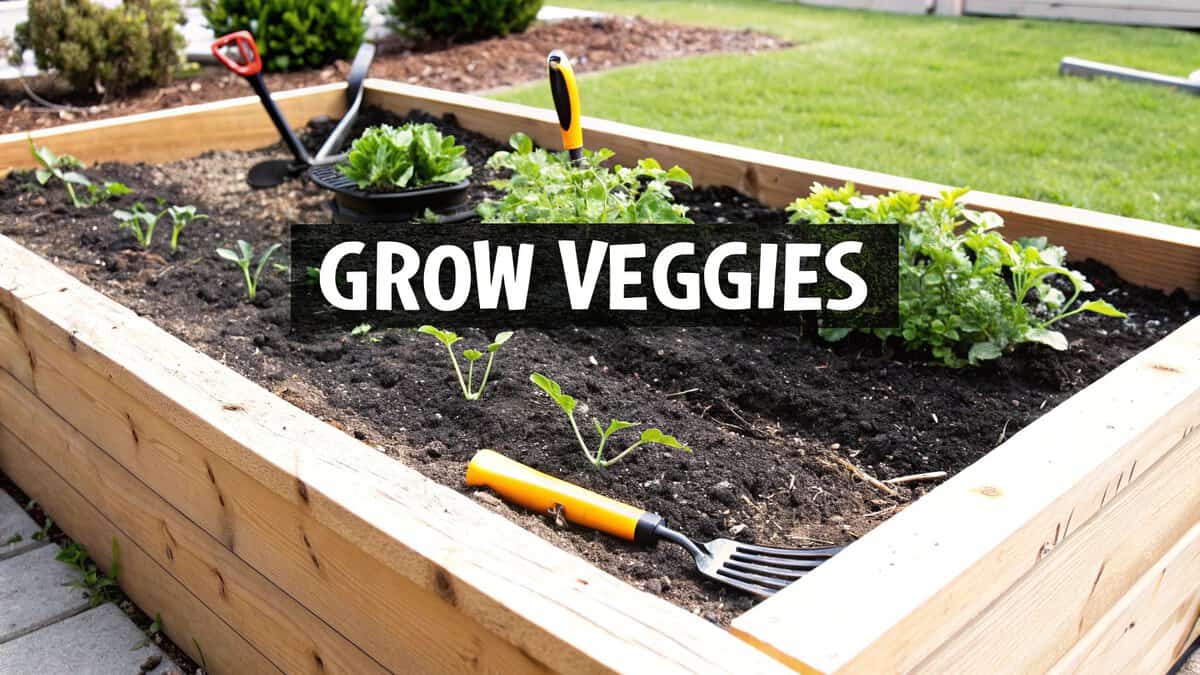
- Raised Bed Construction: Raised beds are a brilliant solution for poor soil and they make gardening much easier on your back. We build sturdy timber beds, and a standard 1.2m x 2.4m bed, built and filled with top-quality soil, typically costs between £250 and £400.
To get you off to a flying start, here’s a simple checklist for your first month.
Your First Month Gardening Checklist in Stoke-on-Trent
| Week | Key Task | Local Tip for Stoke-on-Trent |
|---|---|---|
| Week 1 | Observe Your Space | Note where the sun hits and for how long. The side of the house that gets afternoon sun is often a winner. |
| Week 2 | Test Your Soil | Get a simple soil test kit. Knowing if our local clay soil is acidic or alkaline helps you choose plants. |
| Week 3 | Prepare Your First Bed | If going DIY, dig in lots of compost or well-rotted manure to break up the clay and improve drainage. |
| Week 4 | Buy Your First Seeds/Plants | Visit a local garden centre. Staff can advise on hardy varieties like lettuces, radishes, and broad beans that do well here. |
This simple plan helps break down the initial setup into manageable, weekly goals, making the whole process feel less like a massive chore.
A Growing Movement
The urge to grow your own food is becoming more and more common. Residential gardening is booming, making up over 45% of total sales worldwide as people transform their outdoor spaces. This isn’t just a passing trend; nearly 38.8% of gardeners want to grow more of their own fruit and veg. You can dig into more gardening statistics and trends to see just how popular this has become.
For anyone living in Stoke-on-Trent, starting a vegetable garden is more than just a project. It’s a fantastic way to improve your outdoor space, eat healthier, and connect with the local environment.
Finding the Right Spot for Your Veg Patch
Deciding where to put your vegetable garden is probably the single most important call you’ll make. Get it right, and you’re halfway to a successful harvest. Get it wrong, and you could be in for a season of struggle. This is the foundation of everything that follows, especially when you’re just learning how to start a vegetable garden in the Stoke-on-Trent area.

The good news? You don’t need a perfectly flat, bowling-green lawn. Some of the most productive and charming gardens I’ve seen are tucked into the most unlikely corners. It’s all about understanding what your plants crave and finding a spot in your garden that delivers.
Follow the Sun
First things first: vegetables are sun-worshippers. To get a decent crop from most things—from tomatoes to runner beans—you need a spot that gets at least six to eight hours of direct sunlight a day. Less than that, and you’ll likely end up with weak, spindly plants that are an open invitation to every pest and disease in the neighbourhood.
So, before you even think about picking up a spade, spend a day playing detective in your own garden.
- Morning Check: Where does the sun hit first thing?
- Midday Observation: Which areas are bathed in full sun around noon?
- Afternoon Tracking: Keep an eye on where the shadows fall later in the day. Your house, a neighbour’s tree, or even a fence can cast long shadows you never noticed before.
This little bit of observation will quickly reveal your garden’s prime real estate. A south-facing plot is the gold standard here in the UK, but don’t discount east or west-facing areas if they get plenty of sun throughout the day.
Assess the Ground Beneath Your Feet
Once you’ve pinpointed your sunniest spot, it’s time to look down. The two big things to think about now are drainage and simple, practical access.
Here in Stoke-on-Trent, we’re no strangers to a bit of rain. Our local soils can be heavy and clay-based, which means they can get waterlogged in a heartbeat. That’s a death sentence for most vegetable roots. Try to avoid any low-lying parts of your garden where you’ve seen puddles hang around after a storm. A very gentle slope is actually your friend here, as it helps excess water drain away naturally. If your sunniest spot is a bit on the boggy side, don’t despair—this is where raised beds really shine.
A small tip that pays off big: choose a location near an outdoor tap. It might not seem important now, but you’ll be thanking yourself during a dry spell in July. Trust me, lugging heavy watering cans back and forth across the garden every evening gets old, fast!
What If the Perfect Spot Isn’t Perfect?
So, what happens when your only sunny spot is a sloping bit of lawn, a tired concrete patio, or a corner that’s been overrun with weeds for years? This is the point where a lot of would-be gardeners get discouraged. The idea of breaking up concrete or levelling a bumpy lawn is enough to make anyone give up.
This is exactly where a bit of professional help can make all the difference. At Stoke Gardening Services, we see potential where others see problems. We specialise in turning these awkward, challenging spaces into thriving vegetable plots.
We recently worked with a family in Stoke whose sunniest spot was a steeply sloped back garden, completely useless for a traditional veg patch. Our landscaping team designed and built a series of terraced raised beds, transforming that difficult slope into a beautiful and incredibly productive feature. The job involved careful ground levelling and constructing sturdy timber beds, with the structural work costing around £950. Now, they have an easy-to-manage garden that gives them fresh veg all summer long.
Whether you need help with ground preparation, clearing a site, or building the perfect raised beds, we handle the heavy lifting. We’ll give you a solid foundation for success, so you can skip the back-breaking work and get straight to the fun part: planting.
Getting Your Soil Ready for Planting
Amazing vegetables start with amazing soil. Once you’ve picked out that perfect sunny spot, getting the ground right is your next big project. This is probably the most important step when you’re learning how to start a vegetable garden.
Here in Stoke-on-Trent, many of us are working with heavy, clay-based soil. It can be a real challenge, but don’t let it put you off. With a bit of know-how, you can turn that dense clay into a rich, productive foundation for your plants.
First, Get to Know Your Soil
Before you do anything else, you need to understand what you’re working with. You don’t need a fancy scientific kit for this—a simple squeeze test tells you almost everything you need to know.
Just grab a handful of slightly damp soil and clench your fist.
- If it forms a tight, shiny ball that refuses to crumble, you’ve got classic clay soil.
- If it feels gritty and falls apart the second you open your hand, it’s likely sandy soil.
- If it holds its shape but breaks apart easily when you poke it, congratulations! You have loamy soil, which is the gold standard for growing vegetables.
Most gardens around Staffordshire lean heavily towards clay. While it’s packed with nutrients, it has a few downsides. It can get waterlogged in winter and bake as hard as a brick in summer, making life difficult for plant roots.
How To Whip Your Soil into Shape
The single best thing you can do for our local clay is to add organic matter. Honestly, this isn’t just a tip; it’s a must-do for a successful veg patch.
Adding materials like garden compost, well-rotted manure, or leaf mould works wonders. It physically breaks up the dense clay particles, which dramatically improves drainage and, just as importantly, allows air to get down to the roots.
Over time, you’ll build a healthy soil structure that’s teeming with worms and beneficial microbes. Think of them as your underground workforce, constantly improving the ground so your vegetables can flourish. You can dig in a generous layer (at least a couple of inches) in either autumn or spring.
For a really detailed breakdown of this process, check out our guide on how to prepare soil for planting.
Now, if this all sounds like back-breaking work, that’s because it can be. Breaking up compacted ground and mixing in wheelbarrows of compost is physically demanding. That’s where our garden preparation service can be a lifesaver. We handle the heavy digging and rotavating, adding the right amendments to give your plants the perfect head start. A typical soil prep job for a medium-sized bed can range from £150 to £300, and your garden will be perfectly ready for planting.
The Great Debate: To Dig or Not to Dig?
One of the biggest arguments in gardening is whether you should dig your beds or go “no-dig.” Both methods have die-hard fans and both can give you fantastic results. The best choice really comes down to your garden’s condition and your personal preference.
Traditional digging involves turning the soil over with a spade or fork, usually once a year in autumn. This is a great way to break up compaction, mix in organic matter quickly, and get rid of deep-rooted weeds. It’s often the quickest route from a weedy patch of lawn to a workable vegetable bed in your first year.
On the other hand, the no-dig method has become incredibly popular because it focuses on preserving the natural soil structure. Instead of digging, you simply spread layers of organic matter like compost on the surface of your beds each year. Worms and soil life do the work for you, pulling it down into the soil and improving it naturally over time. This method is brilliant for keeping annual weeds down and holding onto moisture.
A quick note on soil pH: While it sounds technical, it’s just a measure of how acidic or alkaline your soil is. Most veggies are happiest in a neutral pH of around 6.5 to 7.0. Our Staffordshire clay can sometimes be a bit on the acidic side. While you can add garden lime to correct this, the easiest and most effective first step for a beginner is to just focus on adding lots of compost. It naturally helps to balance the pH over time without any extra fuss.
Choosing What to Grow in a UK Climate
Alright, this is where the fun really begins—deciding what tasty vegetables you’ll be growing. When you’re just learning how to start a vegetable garden, the wall of seed packets at the garden centre can be a bit much. The secret to a great first year, especially with our Stoke-on-Trent weather, is to pick crops that are reliable and rewarding. It’s all about building your confidence.

For now, forget about those fussy, heat-loving plants like aubergines or melons. Instead, let’s focus on vegetables that are practically guaranteed to do well here. Think about quick-growing salad leaves, peppery radishes, and foolproof bush beans. These give you a fast return on your efforts and are forgiving if you make a few rookie mistakes along the way.
Planning for a Continuous Harvest
Nothing beats being able to pop outside and pick something fresh every week, rather than having everything ripen at once. This is where a simple but brilliant technique called succession planting comes in.
Instead of sowing an entire packet of lettuce seeds in March, you just sow a short row. A couple of weeks later, you sow another one. By repeating this simple habit, you’ll have a steady supply of fresh leaves from spring right through to autumn, completely avoiding that “lettuce glut” where you have more than you can possibly eat.
This method works wonders for lots of fast-growing crops:
- Radishes
- Beetroot
- Carrots
- Spinach
- All kinds of salad leaves
Planning your planting this way makes the most of your space and gets you far more food from your garden over the whole season. For a deeper dive into what grows well with minimal fuss, have a look at our guide on the easiest things to grow in your garden.
Making the Most of Small Spaces
You really don’t need a massive allotment to grow a surprising amount of food. Vertical gardening, raised beds, and containers have become go-to solutions for growing a fantastic variety of veg on patios, balconies, and in small backyards. These methods are also perfect for beginners who want to experiment without committing a huge patch of ground.
A Pro Tip: Think vertically! A simple trellis or some garden netting lets you grow climbing beans, peas, and even some types of squash upwards. This frees up valuable ground space for other crops below.
If your garden is on the smaller side, or you just want a really easy-to-manage setup, we can help. We design and build productive gardens for small or awkwardly shaped yards across Stoke-on-Trent, building custom-sized raised beds and creating clever planting layouts. A small, bespoke setup can start from around £200.
Best Beginner Vegetables for a Stoke-on-Trent Garden
To help you get started, I’ve put together a quick guide to some of the best vegetables for a new gardener in our local climate. This table breaks down when to sow them and what they need.
| Vegetable | Sowing Time (UK) | Harvest Time | Ideal For | Care Level |
|---|---|---|---|---|
| Salad Leaves | March – August | May – October | Pots, window boxes, raised beds | Very Easy |
| Radishes | March – September | April – October | Small gaps, containers, quick fillers | Very Easy |
| Beetroot | April – July | June – October | Raised beds, in-ground patches | Easy |
| Bush Beans | May – July | July – September | Raised beds, larger containers | Easy |
| Courgettes | April – June | July – October | In-ground, large containers | Moderate |
Picking just a few of these reliable options for your first year is a fantastic way to guarantee a successful harvest. Once you’ve got a season under your belt, you can always branch out to more challenging crops next year.
Getting Your Hands Dirty: Planting and Caring for Your New Garden
With your soil prepped and your chosen vegetables ready to go, we’ve arrived at the best part: planting. This is the moment your vegetable patch truly comes to life. Whether you’re carefully placing tiny seeds in the earth or transplanting sturdy little seedlings, the core idea is the same. Give them a good start, and they’ll pay you back tenfold.
Always double-check your seed packet for the right sowing depth. A reliable rule of thumb is to plant a seed about twice as deep as it is wide. If you’re working with seedlings you’ve bought or grown in pots, make sure you plant them at the exact same depth they were in their original container.
Once they’re in, give them a gentle but thorough watering. This is key to settling the soil around the roots and helping them get established in their new home.
The First Few Weeks
The first couple of weeks are all about helping your young plants find their feet. You’ll want to keep the moisture level consistent, but that doesn’t mean creating a swamp. The ideal soil should feel like a well-wrung-out sponge—damp, but not sopping wet.
The easiest way to check is with your finger. Just poke it about an inch into the soil every day or two. If it comes out dry, it’s time for a drink. Try to aim your watering can or hose right at the base of the plants. This gets the water straight to the roots and keeps the leaves dry, which helps prevent the fungal diseases that can be a nuisance in our damp UK climate.
A classic beginner mistake is giving plants a quick, light sprinkle every day. This just encourages shallow roots. It’s far better to water less often but more deeply. This prompts the roots to dig down deep into the soil, making them much more resilient when a dry spell hits.
You’ll quickly get a feel for how your own garden patch responds to the sun and rain. This early stage is where you learn the unique rhythm of your space, setting the tone for the rest of the season.
Dealing with Weeds and Pests
As soon as your vegetables start to take off, you’ll notice other, less welcome plants popping up too. Weeding isn’t the most glamorous job, but staying on top of it is the secret to a happy, productive garden. For many of us, weeds are a bigger challenge than any bug or disease. But don’t be discouraged! In 2024, nearly 74.1% of home gardeners felt they had a successful year, which just goes to show that a bit of consistent effort really works. You can read more about what’s working for growers in these top production trends for gardeners.
A quick whiz through with a hoe once a week is a world away from a back-breaking weeding marathon once a month. Pulling weeds when they’re small stops them from stealing water, sunlight, and nutrients from your crops.
Of course, sooner or later, you’ll meet some local pests. In Stoke-on-Trent gardens, slugs and aphids are usually the first to show up. But before you even think about chemical sprays, there are plenty of simple, effective tricks to try.
- Slugs and Snails: These guys are night owls. Your best bet is to go out with a torch after dark and simply pick them off your plants. A shallow dish of beer sunk into the soil also works wonders as a trap.
- Aphids (Greenfly/Blackfly): You’ll usually find them huddled on fresh, new growth. A sharp spray of water from a hose is often enough to blast them off. For a more stubborn infestation, a simple spray of water mixed with a few drops of washing-up liquid does the trick.
If you’d like to dive deeper into chemical-free solutions, we have a whole guide dedicated to natural pest control methods.
A Real-World Scenario: Your First Month with a New Veggie Bed
Let’s put it all together. Imagine it’s early May here in Stoke. You’ve just planted a new raised bed with neat rows of lettuce seedlings, some beetroot seeds, and a few young bush bean plants.
Here’s what your care routine might look like for that first crucial month:
- Week 1: After that initial deep watering, check the soil every other day to make sure it stays nicely moist, especially for the new seedlings. You’ll spot the first tiny weed shoots—pull them out by hand as soon as you see them.
- Week 2: Your beetroot seeds are up! Now’s the time to gently thin them out to give them space (about 10cm apart is good). The lettuce is looking happy. Unless it’s been raining heavily, give the whole bed one good, deep watering this week.
- Week 3: Run a hoe lightly between the rows to catch the next wave of weed seedlings before they get big. Take a peek under the bean leaves to check for any blackfly.
- Week 4: The lettuce is probably big enough to start picking! Harvest the outer leaves, and the plant will keep producing from the centre for weeks. You’ll also see the first flowers appearing on the bean plants—a great sign.
This is what it’s all about. That consistent, gentle attention is what turns a handful of seeds and plants into a thriving garden that will feed you all summer long.
Your Top Stoke-on-Trent Gardening Questions Answered
Starting a new garden always sparks a few questions, and that’s a good thing! To help you get your hands dirty with confidence, I’ve pulled together some straightforward answers to the questions we hear most often from new gardeners here in Stoke-on-Trent. This isn’t generic advice; it’s based on years of working with Staffordshire’s unique soil and weather.
How Much Will It Cost to Start a Garden in the UK?
Honestly, a vegetable garden can cost as little or as much as you want.
If you’re happy to get stuck in and dig a patch right into your lawn, your startup costs can be very low. You could easily get going for just £40 to £50, which would cover a decent spade, some bags of good compost to mix in, and a few packets of seeds. It’s a brilliant way to start without a big investment.
On the other hand, if you’re dreaming of a more structured garden with timber-raised beds, the budget will look a bit different. A well-made raised bed can set you back anywhere from £150 to over £500. The final price really depends on its size, the type of wood you choose, and the quality of the topsoil you need to fill it.
When’s the Best Time to Start a Garden in Stoke-on-Trent?
Timing is absolutely key to getting things right.
For digging and prepping the ground, late autumn is my favourite time to start. Turning over our heavy Staffordshire clay soil then lets the winter frost work its magic. It naturally breaks up those stubborn, dense clumps far better than a spade ever could. If you miss that window, early spring is your next best bet.
When it comes to planting, you can start sowing hardier veg like broad beans and certain lettuces from March and April, just as the risk of a hard frost begins to fade. But for the more delicate plants—think courgettes, tomatoes, and runner beans—hold your nerve until late May. You need the soil to be properly warm for them to thrive.
Being a local team, we live and breathe Staffordshire’s microclimates. We can give you pinpoint advice on timing your project perfectly, giving your plants the strongest start possible.
Do I Need a Huge Garden to Grow My Own Vegetables?
Not at all! This is one of the biggest myths in gardening. You can grow a surprising amount of food even in the smallest of spaces if you’re a bit clever about it.
Don’t have a big lawn? No problem. Containers, window boxes, and raised beds are fantastic for smaller gardens or even patios. A single, well-managed raised bed—just 1.2m x 2.4m—can easily keep a small family supplied with fresh salads and tasty vegetables all summer long.
To really squeeze every bit of potential out of a small plot, it’s worth looking into crop rotation. If you want to dive deeper, we have a whole guide explaining what crop rotation is and why it matters. It’s a simple technique that makes a huge difference.
Our team actually specialises in designing these kinds of productive, small-space gardens for the tricky or awkwardly shaped yards we often see across Stoke-on-Trent. We make sure every inch counts.
Can Stoke Gardening Services Help Me Create A Vegetable Garden?
Feeling ready to go but a bit daunted by the digging and building? The team at Stoke Gardening Services is here to handle the heavy lifting. We can level the ground, build you the perfect raised beds, and get everything ready for you to enjoy the fun part—the planting. Contact us for a friendly chat and a free quote.
For quotes and bookings, call or email us here.
Response
[…] you’re just getting started and mapping out your first plot, our guide on how to start a vegetable garden has some great tips to help you think through the big […]