

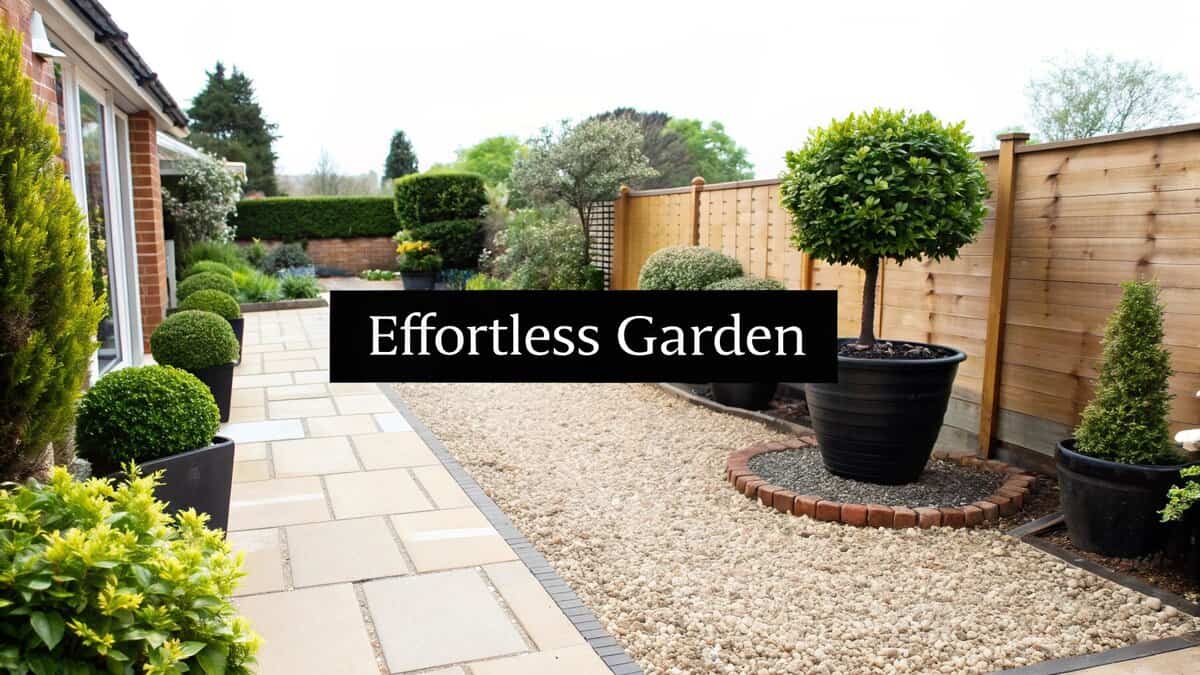
Imagine a beautiful garden that thrives without demanding all your free time. For many homeowners in Stoke-on-Trent, the dream of a vibrant outdoor space is often overshadowed by the reality of constant weeding, watering, and upkeep. The Staffordshire climate, with its specific soil types and rainfall patterns, presents unique challenges that can turn gardening into a chore rather than a pleasure. But what if you could have a stunning garden that works with our local environment, not against it?
This guide is your solution. We are diving into a curated list of practical and proven garden low maintenance ideas specifically suited for UK gardens like those found right here in Stoke-on-Trent. Forget endless work and reclaim your weekends. We will explore eight actionable strategies, from smart plant selections that flourish locally to clever hardscaping that reduces tiresome tasks.
Each idea is broken down into a simple, replicable method designed to minimize your effort and maximize your enjoyment. You will learn how to create a sustainable, beautiful outdoor sanctuary that gives you more time to relax and appreciate it. This article provides the blueprint for transforming your garden into a source of pride, not pressure. Let’s get started.
For quotes and bookings, call or email us here.
1. The Water-Wise Stoke Garden (UK-Adapted Xeriscaping)
While the term ‘Xeriscaping’ often brings to mind dry, arid landscapes, its core principles are incredibly effective for creating a resilient, low-maintenance garden in Stoke-on-Trent. This approach, adapted for our UK climate, is one of the best garden low maintenance ideas because it drastically cuts down on watering. It’s about smart plant selection and using materials that conserve moisture.
Strategic Breakdown
This method focuses on choosing plants that, once established, can handle periods of lower rainfall. This is particularly useful during the increasingly warm and dry summers we experience in Staffordshire. Instead of a thirsty lawn and demanding flowerbeds, a water-wise garden uses a combination of hardy plants and inorganic mulches like gravel or slate chippings. These materials help suppress weeds and lock moisture into the soil, reducing your workload.
Actionable Takeaways
To implement this idea in your Stoke garden, consider these steps:
- Choose the Right Plants: Opt for Mediterranean herbs like Lavender, Rosemary, and Thyme. Ornamental grasses such as Stipa tenuissima and succulents like Sedum (Stonecrop) are also fantastic, attractive choices that thrive in well-drained soil with minimal watering.
- Improve Soil Drainage: Many drought-tolerant plants dislike sitting in wet soil, a common issue with Stoke’s clay-heavy ground. Incorporating horticultural grit or sand when planting will improve drainage and help these plants establish strong roots.
- Use Mulch Effectively: Apply a thick layer (5-7cm) of decorative gravel, slate, or even bark chippings around your plants. This simple step is a game-changer for retaining soil moisture and preventing weeds from taking over.
Key Insight: The success of a UK-adapted xeriscape garden isn’t about eliminating water entirely; it’s about creating a balanced ecosystem where plants and materials work together to conserve it. This reduces your time spent with a hosepipe and creates a garden that looks great even in a heatwave.
2. Raised Bed Gardens with Perennials
Combining raised beds with perennial plants is a powerhouse strategy for creating a structured, accessible, and beautiful garden that practically looks after itself. This method is one of the most effective garden low maintenance ideas because it solves several common gardening problems at once: poor soil, drainage issues, and back-breaking weeding. By elevating the garden, you gain complete control over the growing environment.

Strategic Breakdown
This approach separates your main planting areas from the rest of the garden, creating a neat, contained system. The beds can be filled with a high-quality soil and compost mix, which is ideal for overcoming the heavy clay soil common in Stoke-on-Trent. Planting perennials, which return year after year, means you avoid the annual cost and effort of replanting. Once established, they form a dense canopy that naturally suppresses weeds and creates a lush, permanent display.
Actionable Takeaways
To create a thriving raised bed perennial garden in Stoke, follow these practical steps:
- Build for Durability: Construct your beds using robust, long-lasting materials like new oak sleepers, composite boards, or brickwork. A solid frame is the foundation for years of hassle-free gardening. For more detailed construction tips, you can explore our guide on raised bed gardening.
- Select Smart Perennials: Choose reliable perennials suited for the UK climate. Hardy Geraniums, Hostas (for shady spots), and Rudbeckia provide fantastic colour and ground cover. Space them according to their mature size to avoid overcrowding later on.
- Mulch Generously: After planting, apply a thick layer of bark chippings or compost around the base of your perennials. This will help retain moisture, feed the soil as it breaks down, and make any stray weeds incredibly easy to remove.
Key Insight: The true advantage of this system is the upfront investment in structure and soil. By creating the perfect growing conditions from day one, you set your perennial plants up for long-term success, drastically reducing the need for future intervention like digging, soil amendment, and intensive weeding.
3. The Wild Heart of Stoke (Native Plant Gardens)
Creating a garden with plants native to the UK, and specifically those suited to Staffordshire, is one of the most effective garden low maintenance ideas you can adopt. These plants have evolved over thousands of years to thrive in our specific climate and soil conditions. This means they are naturally resilient, require minimal intervention, and support local wildlife.
Strategic Breakdown
This approach shifts the focus from purely ornamental plants to creating a self-sustaining ecosystem. Native plants establish deep root systems, making them exceptionally good at finding water and nutrients, even in Stoke’s often clay-heavy soil. They are also naturally resistant to local pests and diseases, which dramatically reduces the need for chemical treatments or constant fussing. By choosing plants that belong here, you work with nature, not against it, saving significant time and effort.
Actionable Takeaways
To introduce this concept into your Stoke garden, focus on these practical steps:
- Choose Local Champions: Select plants that are true UK natives. Foxgloves (Digitalis purpurea), Primroses (Primula vulgaris), and Rowan trees (Sorbus aucaria) are excellent choices that provide beauty and attract wildlife. For shadier spots, explore options like the ones we detail in our guide to wild flowers that like shade.
- Prepare for Success: While native plants are tough, giving them a good start is key. Loosen compacted clay soil and remove competing weeds before planting. Unlike many garden centre plants, natives rarely need rich compost or fertiliser to thrive; they prefer the natural soil conditions of the area.
- Embrace Natural Cycles: Allow plants like Red Campion or Cowslip to self-seed and find their own preferred spots. This creates a more naturalistic, cottage-garden feel and means the garden effectively plants itself year after year, reducing your workload.
Key Insight: A native plant garden isn’t about letting your space run wild; it’s a strategic choice to cultivate a resilient, beautiful garden that supports itself. You’ll spend less time watering, feeding, and troubleshooting, and more time enjoying a garden teeming with local birds and pollinators.
4. Mulched Beds and Ground Covers
Covering bare soil is one of the most effective strategies for a tidy, low-effort garden. This approach uses either mulch (like bark chippings) or living ground cover plants to smother weeds and retain moisture. It’s one of the best garden low maintenance ideas because it creates a protective layer that drastically reduces the time spent weeding and watering, forming the backbone of many professional-looking Stoke landscapes.
Strategic Breakdown
This dual method tackles the two biggest gardening time-sinks: weeding and watering. A thick layer of mulch physically blocks sunlight, preventing most weed seeds from germinating. Simultaneously, it acts like a sponge, soaking up rain and releasing it slowly to plant roots. Living ground covers do the same job but add texture, colour, and ecological benefits, creating a dense mat of foliage that outcompetes weeds for resources. This combination keeps beds looking neat with minimal intervention.
Actionable Takeaways
To use this powerful combination in your Stoke-on-Trent garden, follow these steps:
- Apply Mulch Correctly: For maximum weed suppression, apply a layer of organic mulch like bark or compost about 5-8cm (2-3 inches) deep. Crucially, keep it a few inches away from the stems of plants and tree trunks to prevent rot.
- Choose Effective Ground Covers: Select plants based on your garden’s conditions. For sunny spots, try Creeping Thyme or Sedum album. In shadier areas common in Stoke, plants like Vinca minor (Lesser Periwinkle) or Pachysandra terminalis will thrive and spread to create a green carpet.
- Combine for Best Results: Consider using a landscape fabric barrier underneath an inorganic mulch like slate chippings for ultimate long-term weed control in static beds. For a more detailed guide, you can learn more about how to mulch your flower beds effectively.
Key Insight: The power of this technique lies in preventing problems before they start. By covering the soil, you are designing a garden that actively works to suppress weeds and conserve water, freeing you up to simply enjoy your outdoor space rather than constantly maintaining it.
5. Container Gardens with Self-Watering Systems
For Stoke-on-Trent homeowners with limited space, time, or mobility, container gardening is a brilliant solution. When combined with self-watering technology, it becomes one of the ultimate garden low maintenance ideas. These planters have a built-in reservoir that provides a steady supply of moisture to the plant roots through capillary action, drastically reducing the need for daily watering.

Strategic Breakdown
This method eliminates the guesswork and daily chore of watering. The reservoir system allows plants to draw water as needed, preventing both over-watering and under-watering, two common pitfalls of container gardening. This creates a stable environment for plants to thrive, making it perfect for busy individuals or for keeping plants healthy during a short holiday. It’s a contained, manageable way to add vibrant life to patios, balconies, or even front doorsteps without the commitment of a full garden bed.
Actionable Takeaways
To start your own self-watering container garden in Stoke, follow these key steps:
- Select Appropriate Containers: Choose pots that are at least 30cm (12 inches) in diameter to provide stability and adequate room for root growth. High-quality self-watering planters are a worthwhile investment.
- Use the Right Soil: Never use heavy garden soil from your beds. Instead, fill containers with a quality, lightweight potting mix designed for containers, as this ensures proper aeration and wicking action for the watering system.
- Pick Suitable Plants: Opt for compact varieties of vegetables like bush tomatoes, herbs, or flowers like petunias and geraniums that are well-suited to container life. Group plants with similar light and water needs together. For those planning a new construction or major renovation, considering how patios or decked areas can be integrated from the start is a great way to showcase these container gardens.
Key Insight: A self-watering container garden offers control and convenience. By creating a self-sufficient micro-environment for each plant, you minimise daily tasks while maximising your garden’s visual impact and health, even in a compact urban space.
6. Ornamental Grasses and Shrub Borders
Creating a garden with year-round structure and texture doesn’t have to mean constant work. Using ornamental grasses and hardy shrubs is one of the most effective garden low maintenance ideas because these plants form a permanent, self-sustaining framework. Once established, they fill out borders, suppress weeds, and provide visual interest through all seasons with minimal intervention.
Strategic Breakdown
This modern, naturalistic approach focuses on creating a layered look that largely takes care of itself. Ornamental grasses offer movement and sound, while shrubs provide a solid, evergreen or flowering backbone. This combination creates a dynamic, full-looking garden that outcompetes weeds and reduces the need for annual planting, deadheading, and staking. It’s a perfect strategy for Stoke-on-Trent gardens, where you want visual impact without the high-maintenance demands of traditional flowerbeds.
Actionable Takeaways
To introduce this concept into your Stoke garden, follow these practical steps:
- Select Hardy Varieties: Choose grasses like Calamagrostis ‘Karl Foerster’ for upright structure or Hakonechloa macra for shady spots. Pair them with robust shrubs such as Viburnum tinus, Skimmia, or Hebes, which thrive in our local climate and soil conditions.
- Plant for Visual Impact: Arrange plants in bold drifts or clusters of odd numbers (3, 5, or 7) rather than scattering them individually. This creates a more natural, cohesive design and allows the plants to support each other as they grow.
- Embrace Seasonal Change: A key benefit is winter interest. Don’t rush to cut back grasses in autumn; their seed heads look fantastic coated in frost. A single annual cutback in late winter or early spring is all that’s needed to prepare them for new growth.
Key Insight: The beauty of this method is in its “plant-and-forget” nature. By choosing the right combination of grasses and shrubs for your garden’s conditions, you create a resilient, architectural landscape that evolves beautifully through the seasons with very little effort.
7. Hardscape Features and Focal Points
Incorporating hardscaping, the non-living elements of your garden, is a powerful strategy for crafting a stylish yet manageable outdoor space. This approach is one of the most effective garden low maintenance ideas because it intentionally reduces the amount of lawn and planting beds that need constant care like mowing, weeding, and watering. It’s about creating a beautiful, functional garden structure that stands the test of time.
Strategic Breakdown
This method shifts the balance from high-maintenance soft-scaping (plants) to durable hard-scaping (patios, paths, and walls). By introducing features like a gravelled seating area, a stone pathway, or a simple water feature, you reclaim time previously spent on intensive garden chores. For Stoke-on-Trent homeowners, this means creating usable outdoor rooms that look great year-round, regardless of the weather, while significantly cutting down on upkeep.
Actionable Takeaways
To integrate hardscaping effectively into your garden, consider these practical steps:
- Create Functional Zones: Design a patio or deck area for seating and entertaining. Use materials like natural stone or composite decking that complement your home’s style and require minimal cleaning. This replaces a patch of demanding lawn with a useful, attractive feature.
- Define with Edging and Paths: Install clear edging using stone, brick, or steel to separate planting beds from lawns and paths. This stops grass from creeping into your borders and gives the garden a crisp, tidy look. A well-planned path of gravel or paving slabs reduces foot traffic on the lawn and guides movement through the space.
- Add a Focal Point: A simple statue, a strategically placed bench, or a self-contained water feature can become the centrepiece of your garden. This draws the eye, adds personality, and occupies space that would otherwise need planting and maintenance.
Key Insight: Successful low-maintenance design isn’t about removing plants, but about achieving a better balance. By letting hardscape elements provide the garden’s core structure, you create a permanent, elegant framework that requires far less seasonal work than a garden dominated by plants alone.
8. Pollinator Gardens with Minimal Intervention
Creating a garden that actively supports bees, butterflies, and other wildlife might sound complex, but it’s one of the most rewarding garden low maintenance ideas available. A pollinator garden is designed to be a self-sustaining ecosystem. Once established with the right native plants, it thrives with very little human input, allowing nature to do most of the work for you.
Strategic Breakdown
This approach shifts the focus from perfect, manicured flowerbeds to creating a functional, living habitat. By choosing plants native to the Staffordshire area, you are selecting species already adapted to our local soil and climate, meaning they require less watering, feeding, and general fuss. The garden becomes a vibrant, buzzing space that manages its own health through natural processes, reducing your need for pesticides and constant upkeep. It’s about working with nature, not against it.
Actionable Takeaways
To start your own low-maintenance pollinator haven in Stoke, follow these simple steps:
- Select Native Powerhouses: Choose UK-native plants that bloom across different seasons to provide a continuous food source. Foxgloves, Red Campion, and Viper’s-bugloss are excellent choices that thrive in Stoke-on-Trent gardens and attract a wide range of beneficial insects.
- Embrace ‘Untidy’ Gardening: Leave seed heads on plants like Teasels and ornamental grasses over winter. They provide food for birds and shelter for insects. Similarly, a small log or brush pile in a corner creates essential habitat for overwintering creatures.
- Provide a Water Source: A shallow dish filled with pebbles and a little water is a perfect, safe drinking spot for bees and other insects. This simple addition makes a huge difference in supporting your garden’s tiny visitors.
Key Insight: A pollinator garden’s success lies in letting go of perfect control. By allowing natural cycles to unfold, you create a resilient and beautiful space that requires significantly less effort while contributing positively to the local Stoke-on-Trent ecosystem.
8-Point Low-Maintenance Garden Comparison
| Approach | 🔄 Implementation complexity | ⚡ Resource & maintenance | ⭐ Expected effectiveness | 📊 Outcomes / impact | 💡 Ideal use cases |
|---|---|---|---|---|---|
| Xeriscaping (Drought-Resistant Landscaping) | Moderate–high (design, plant selection, irrigation setup) | Moderate initial cost for plants & materials; low ongoing water & maintenance | ⭐⭐⭐⭐ | Cuts water use significantly; lower bills; drought-resilient landscapes | Sun-exposed gardens, gravel gardens, low-water zones |
| Raised Bed Gardens with Perennials | Moderate (build beds, soil layering, plant placement) | Moderate materials/soil cost; periodic division; easier physical maintenance | ⭐⭐⭐ | Improved drainage, reduced weeding/back strain; faster establishment after year one | Urban plots, accessible/therapeutic gardens, community garden plots |
| Native Plant Gardens | Moderate (research & species selection; site planning) | Low ongoing inputs (no fertilizers/pesticides); possible limited plant sourcing | ⭐⭐⭐⭐ | Supports biodiversity and pollinators; excellent drought tolerance once established | Ecological restoration, wildlife-friendly gardens, low‑input large yards |
| Mulched Beds and Ground Covers | Low (apply mulch; plant groundcovers) | Low cost but annual refresh; choice of organic vs inorganic affects soil benefits | ⭐⭐⭐⭐ | Dramatically reduces weeding (up to ~90%); retains moisture; neat appearance | Commercial landscapes, parking islands, woodland or foundation beds |
| Container Gardens with Self‑Watering Systems | Low–moderate (select containers, set reservoirs) | Moderate–high per–container cost; requires quality potting mix and occasional cleaning | ⭐⭐⭐⭐ | Reduces watering frequency significantly; portable and space-efficient | Balconies, patios, apartment and mobility‑friendly gardens |
| Ornamental Grasses & Shrub Borders | Low–moderate (selection, spacing, occasional pruning) | Low ongoing inputs; periodic thinning/cutback every few years | ⭐⭐⭐ | Year‑round structure and low maintenance; minimal annual care | Modern naturalistic plantings, wind‑exposed sites, structural perennial backdrops |
| Hardscape Features & Focal Points | High (design, permits, professional installation often needed) | High upfront cost; low plant area maintenance; occasional surface upkeep | ⭐⭐⭐⭐ | Reduces planting area and workload; raises property utility/value | Patios, courtyards, low‑maintenance yards, entertaining/functional outdoor rooms |
| Pollinator Gardens with Minimal Intervention | Moderate (plant selection, habitat features, season planning) | Low ongoing inputs; initial habitat setup and native plant sourcing required | ⭐⭐⭐⭐ | Creates self‑sustaining habitat; supports pollinators and natural pest control | Conservation plots, educational gardens, native corridors and wildlife gardens |
Your Beautiful, Low-Maintenance Stoke Garden Awaits
Creating a stunning garden in Stoke-on-Trent that doesn’t demand all your free time is not just a dream; it’s an achievable reality. Throughout this guide, we’ve explored a wealth of garden low maintenance ideas designed to give you back your weekends while enhancing your home’s kerb appeal. The core principle is simple: work with our local climate, not against it, by making strategic choices from the very beginning.
By embracing concepts like drought-resistant planting and celebrating the resilience of native Staffordshire plants, you lay a foundation for a garden that practically takes care of itself. We’ve seen how smart design choices, such as using raised beds for perennials or replacing high-maintenance lawns with elegant ornamental grasses and ground covers, drastically cut down on weeding, watering, and mowing. The goal is to build a self-sustaining ecosystem that thrives in our local climate.
Key Takeaways for Your Stoke-on-Trent Garden
Let’s distill the most impactful strategies we’ve covered:
- Strategic Planting is Paramount: Choosing the right plant for the right place is the golden rule. Prioritise perennials, native species, and hardy shrubs that are already adapted to our soil and weather patterns. This single decision reduces the need for constant intervention.
- Reduce Your Lawn, Reduce Your Labour: The traditional lawn is one of the most labour-intensive parts of any garden. By shrinking its size in favour of mulched beds, hardscape features, or ground cover, you immediately reclaim hours of your time.
- Hardscaping is Your Best Friend: Patios, gravel paths, and stone focal points provide structure and visual interest all year round without needing much care. They are the backbone of a truly low-maintenance design.
- Work Smarter, Not Harder: Techniques like applying a thick layer of mulch suppress weeds and retain soil moisture, while self-watering containers automate one of the most repetitive garden chores. These small investments pay huge dividends in time saved.
Embracing these garden low maintenance ideas transforms your outdoor space from a source of stress into a place of genuine rest and relaxation. You can host a summer barbecue, enjoy a quiet morning coffee, or watch the pollinators buzz around your thoughtfully chosen plants, all without the nagging feeling of a never-ending to-do list. Your garden should be a sanctuary, and with these principles, it finally can be.
Our Services
Ready to bring these low-maintenance concepts to life but need expert guidance tailored to your specific Stoke-on-Trent property? The team at Stoke Gardening Services specialises in designing and building beautiful, sustainable gardens that fit your lifestyle. Let us handle the hard work so you can simply enjoy the results.
For quotes and bookings, call or email us here.
Responses
[…] In our Staffordshire climate, a bit of shade offers welcome relief from the intense midday sun, protecting delicate flowers from getting scorched. The lower light levels also mean less water evaporates from the soil, which can make your watering routine a bit more forgiving. This is a huge plus if you’re aiming for a beautiful garden without the constant upkeep, something we cover in our guide on low-maintenance garden ideas. […]
[…] of constant upkeep makes you shudder, you’re not alone. Why not have a look at some practical low-maintenance garden ideas? You might find the perfect solution for a beautiful space that doesn’t demand all your […]
[…] In our Staffordshire climate, a bit of shade offers welcome relief from the intense midday sun, protecting delicate flowers from getting scorched. The lower light levels also mean less water evaporates from the soil, which can make your watering routine a bit more forgiving. This is a huge plus if you’re aiming for a beautiful garden without the constant upkeep, something we cover in our guide on low-maintenance garden ideas. […]